معرفی
Nicholas Leigh serves as a Senior Lecturer at Lund University's Faculty of Medicine, holding multiple prestigious research positions including Principal Investigator at StemTherapy: National Initiative on Stem Cells for Regenerative Therapy and LUCC: Lund University Cancer Centre. He also manages the Regenerative Immunology research team and is affiliated with the Lund University Bioimaging Center.
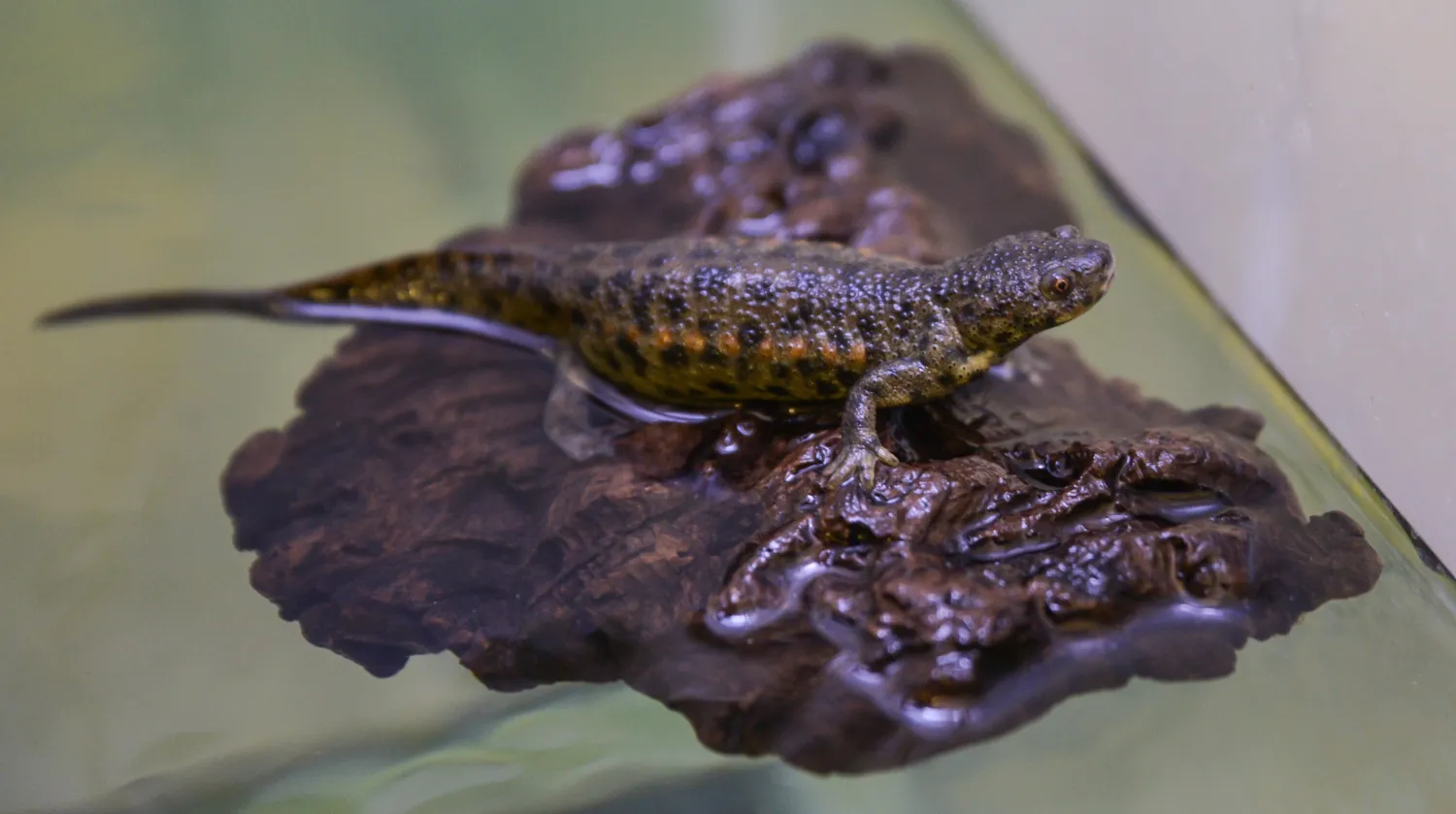
Dr. Leigh's research focuses on the intersection of regeneration biology and cancer resistance, particularly examining how salamanders and newts can regenerate limbs while maintaining cancer resistance. His work explores cellular senescence, immune responses during regeneration, and the molecular mechanisms underlying tissue regrowth. He investigates how non-coding RNA landscapes and repeat elements contribute to regenerative capabilities in amphibians, with potential applications for human regenerative medicine.
His recent publications demonstrate a strong trend toward understanding the genomic and molecular basis of regeneration, with particular emphasis on newt and salamander models. The research spans from fundamental genomic analysis to practical applications in cancer resistance and tissue engineering, showing increasing interdisciplinary collaboration between biology, imaging technology, and computational analysis.
- Docent in Molecular Medicine (2023)
- Roswell Park Outstanding Ph.D. Dissertation Award (2016)
Dr. Leigh currently leads three active research projects totaling over three years of funded research, including 'Deciphering the balance between regeneration and tumorigenesis' funded by Cancerfonden (2024-2026), 'Identifying the origins of cancer resistance in salamanders' (2023-2026), and 'Regeneration as a cancer resistance mechanism' funded by the Crafoord Foundation (2023-2025). His work contributes to multiple UN Sustainable Development Goals related to good health and well-being.
His research team operates at the intersection of molecular medicine, gene therapy, and regenerative biology, utilizing advanced imaging techniques and genomic analysis to study regeneration in non-traditional model organisms. The lab maintains strong collaborations with international researchers studying amphibian biology and cancer resistance mechanisms.