معرفی
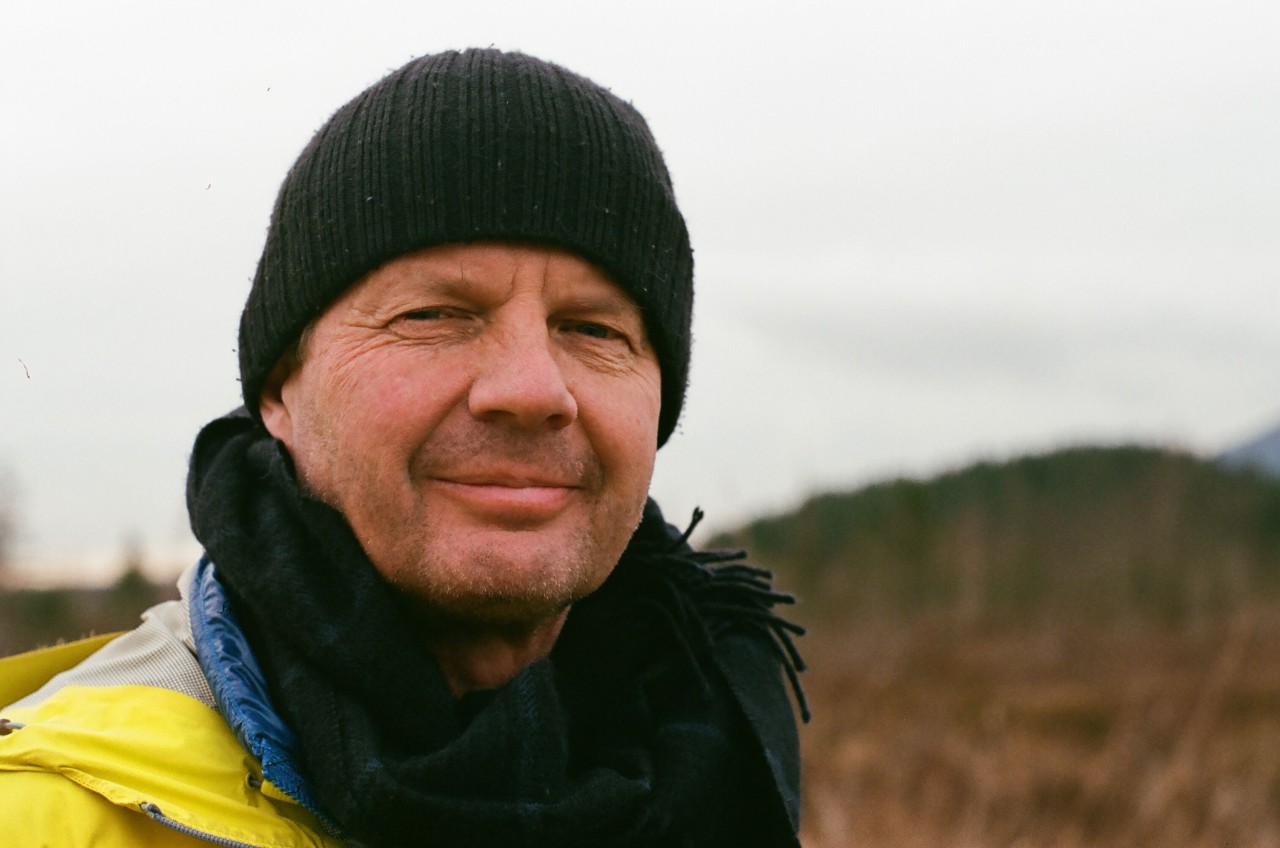
Nicholas Blomley is Professor of Geography at Simon Fraser University in Burnaby, British Columbia, Canada. A Fellow of the Royal Society of Canada, he has established himself as a leading scholar in legal geography with over thirty years of research focusing on the intersection between law and geography, particularly regarding property relations and their spatial implications. His work bridges geography and legal studies, examining how spatial arrangements influence legal relations and vice versa.
Professor Blomley's research centers on legal geography, with particular emphasis on property law, spatiality of legal practices, and the worldmaking consequences of legal geographies. His scholarship demonstrates how legal frameworks create and maintain spatial exclusions while also revealing possibilities for resistance and alternative spatial arrangements. His work spans theoretical explorations of legal geography to empirical studies of homelessness, gentrification, indigenous land rights, and the regulation of urban space. Through his concept of 'legal geographies,' he has illuminated how law is not merely applied to space but is constitutive of spatial relations.
Blomley's extensive publication record reveals consistent engagement with critical questions about property, territory, and spatial justice. His work demonstrates increasing attention to precarious housing, the regulation of homelessness, and the territorial dimensions of property relations, reflecting both continuity with his longstanding interests and responsiveness to contemporary urban challenges. His scholarship shows how property relations are fundamentally spatial, showing how territory becomes a crucial technology through which property relations are communicated, imagined, legitimized, enforced, naturalized and contested.
- Fellow of the Royal Society of Canada
Professor Blomley actively supervises a diverse group of graduate students working on critical legal geography topics through the Legal Geography Research Group at Simon Fraser University. His mentorship extends beyond traditional academic supervision to fostering collaborative research and providing a space for interdisciplinary dialogue about law, space, and power. His students' research spans topics including vehicle residency, landlord-tenant relations, tent settlements, and alternative housing models, reflecting the breadth of his intellectual influence. His work has attracted research funding supporting projects on housing insecurity, legal geographies of homelessness, and indigenous treaty processes in British Columbia.
As leader of the Legal Geography Research Group, Blomley cultivates a vibrant intellectual community examining the complex interrelationships between law, space, and social relations. The research group brings together scholars examining how people who live in vehicles are positioned and regulated in society, the dynamics of property relations in liberal capitalist and settler colonial contexts, and the legal frameworks shaping landlord-tenant relations. This collective work demonstrates how legal geographies operate across multiple scales, from intimate bodily spaces to international legal frameworks, revealing the profound spatial dimensions of legal power and resistance.