معرفی
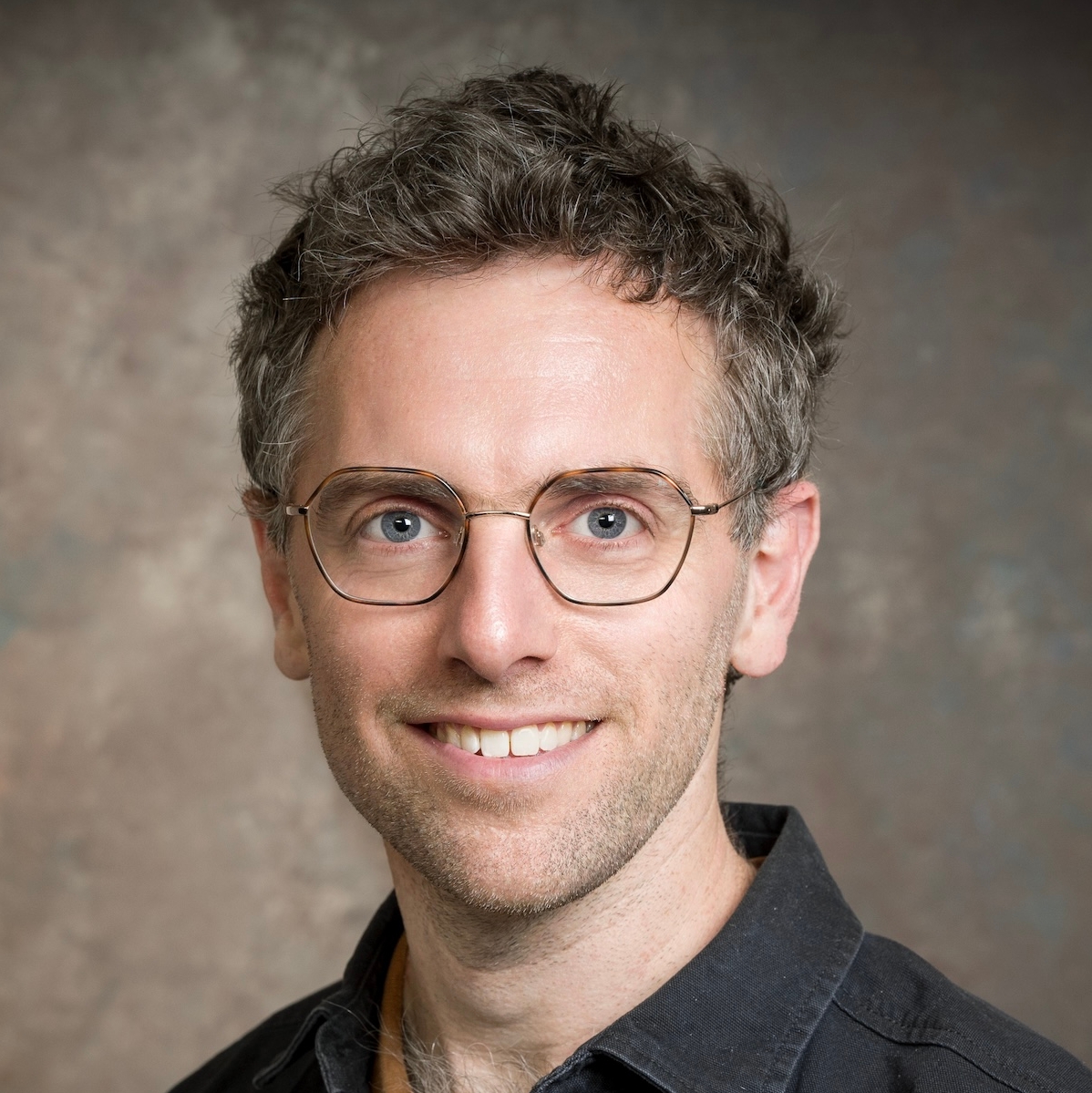
Nathan Jessee serves as Assistant Professor in the School of Marine Science & Policy at the University of Delaware's College of Earth, Ocean & Environment, focusing on the intersection of climate policy, law, and social justice in coastal contexts.
His educational trajectory includes:
- Postdoctoral Research Associate, High Meadows Environmental Institute, Princeton University (2021-2024)
- Ph.D. in Anthropology, Temple University (2020)
- M.S. in Urban Studies - Applied Anthropology, University of New Orleans (2010)
- B.A. in English and Philosophy, University of New Mexico (2007)
Dr. Jessee's research critically examines environmental justice through community-engaged scholarship, with particular emphasis on the political ecology of coastal development, climate adaptation policy contradictions, and the social dimensions of managed retreat. His anthropological approach centers Indigenous and Black land stewardship practices while analyzing how legal frameworks shape vulnerability in climate-impacted communities. This work bridges cultural anthropology with practical policy interventions in environmental governance.
Analysis of his 15 most recent publications reveals consistent focus on property law conflicts in community relocation, with 60% addressing Louisiana's coastal crisis and 25% examining Alaska's Indigenous relocations. Key thematic clusters include legal contradictions in 'just compensation' (2023), market-oriented hazards in resettlement (2023), and decolonial approaches to restoration (2024), demonstrating deep engagement with settler colonial contexts and traditional knowledge systems.
No scientific awards were documented in the source material.
While the texts indicate active research through recent publications, no specific grant funding or student advisement details were provided. His community-engaged methodology suggests collaborative relationships with coastal communities, particularly in Louisiana's tribal territories, though formal mentoring structures aren't specified.
No dedicated research laboratories or formal team structures were mentioned, though his community-based participatory research approach implies ongoing partnerships with coastal stakeholders and Indigenous communities.