معرفی
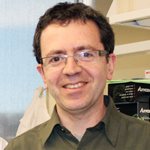
Nathan Clark is an Associate Professor in the Department of Biological Sciences at the University of Pittsburgh, leading a combined computational and experimental research program focused on adaptive evolution. His work retraces evolutionary histories of genomic elements to uncover genetic adaptations with implications for human health, species conservation, and molecular biology.
Dr. Clark received his PhD from the University of Washington under Willie Swanson and completed postdoctoral training at Cornell University with Charles Aquadro. His research integrates comparative genomics and proteomics to study how species overcome environmental challenges through novel trait development.
His research interests center on evolutionary mechanisms driving adaptation, with emphasis on convergent evolution, evolutionary rate covariation, and molecular network discovery. The lab develops computational tools like phyloConverge and ERC 2.0 to analyze genomic data across diverse species, from mammals to insects, revealing how genetic networks co-evolve with environmental pressures.
Recent publications (2024-2025) demonstrate consistent output in evolutionary genomics, with recurring themes in convergent molecular evolution, adaptive trait mapping, and computational methodology development. Key areas include mammalian sensory adaptation, reproductive protein evolution, and algorithmic advances for detecting selection signatures.
No scientific awards were explicitly mentioned in the source materials.
Dr. Clark mentors graduate students in biological sciences research, though specific advisee names were not provided. His lab operates with active research funding supporting interdisciplinary projects that bridge computational analysis with wet-lab validation. The program maintains strong industry and cross-institutional collaborations focused on evolutionary medicine applications.
He directs a research team that combines bioinformaticians and molecular biologists to investigate evolutionary constraints on genomic elements. Current projects examine co-evolutionary dynamics in reproductive systems, adaptation to extreme environments, and functional validation of computationally predicted genetic networks.