معرفی
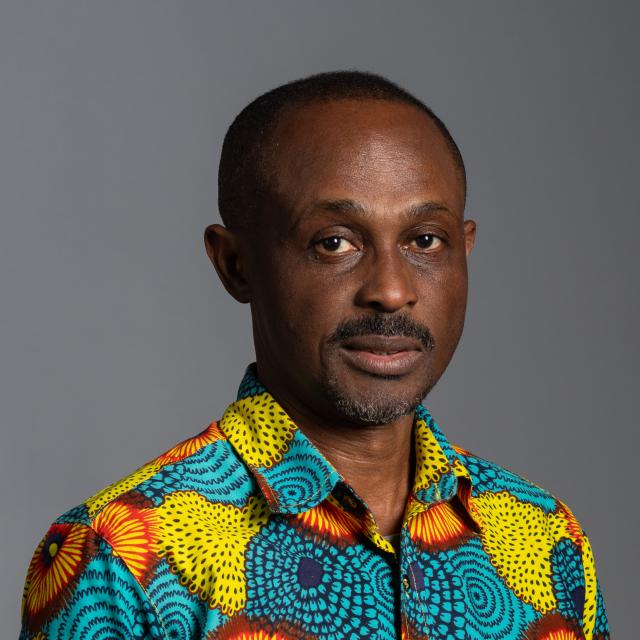
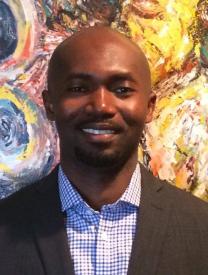
Dr Nathan Bossoh is a Research Fellow in History at the University of Southampton, specializing in the intersection of science, medicine, and African collections from 1750 to the present. His work bridges historical scholarship with contemporary issues of decolonization and global knowledge exchange.
His primary research interests include:
- Science, religion, and global knowledge exchange, particularly within the British Empire
- Medical and scientific knowledge in modern African history
- Museum imperial legacies, material culture, collections and decolonisation
- Biodiversity conservation and global health challenges
Nathan's current research project investigates the rise of herbal medicine as a field of research in colonial and post-colonial Ghana, focusing on the relationship between ethnobotanical knowledge, pharmacology, and museum colonial collections. Titled 'Botanical Knowledge, Scientific Legitimacy, and the Rise of Herbal Medicine Research in Ghana,' this work seeks to historicize the renewed promotion of 'scientifically backed herbal medicine' in 21st-century Africa through archival, oral, and collections-based sources.
Previously, between September 2022 and September 2023, Nathan served as the African Collections Research Curator at the London Science Museum. He is currently Co-Curator of 'The Kola Nut Cannot Be Contained,' a display hosted in the Wellcome Collection gallery between July 2024 and February 2025.
Nathan earned his PhD in History and Philosophy of Science from UCL in 2022. His research situates around the intersecting themes of empire, race, and religion as entangled operations in the historical production and transmission of science, medicine and museums. His work explores how African knowledge and practice, as well as European perceptions of Africanness, influenced historical developments in science, medicine, and Western collecting practices.
Nathan utilizes postcolonial, decolonial, and material cultural approaches, drawing on perspectives from science and religion; science and technology studies; environmental humanities; African studies; and museum studies in his interdisciplinary research.