معرفی
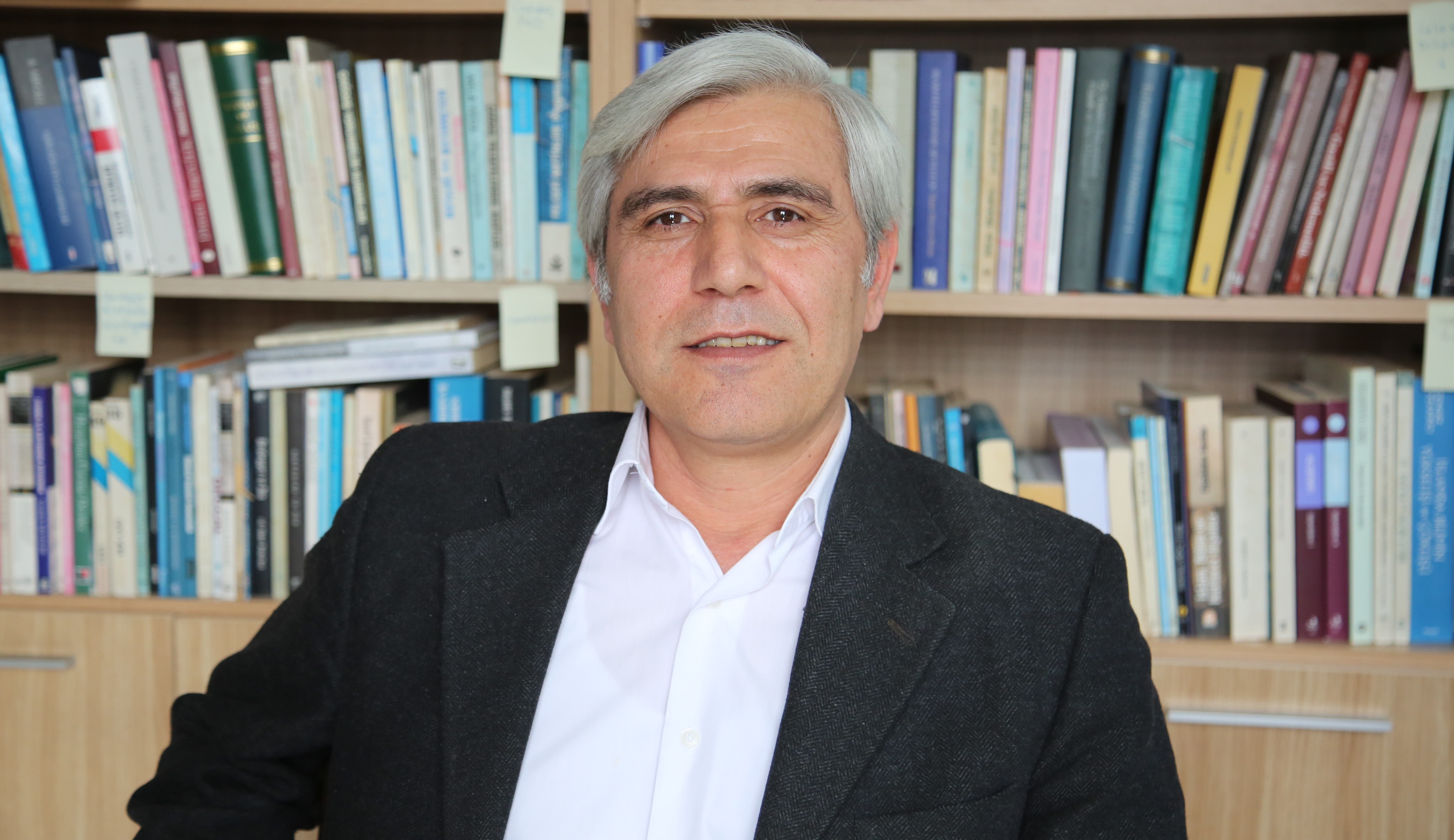
Mustafa ÇETİN serves as an Assistant Professor at the Department of Philosophy and Religious Sciences within the Faculty of Theology at Artvin Coruh University, Turkey, since 2023. His academic work bridges critical theory with practical religious pedagogy, focusing on transformative approaches to Islamic education in contemporary Turkish contexts.
His educational background includes:
- PhD in Philosophy and Religious Sciences, Recep Tayyip Erdogan University (2014-2022)
- Master's in Philosophy and Religious Sciences, Recep Tayyip Erdogan University (2011-2013)
- Bachelor's in Theology (distance education), Ankara University (2008-2010)
ÇETİN's research centers on critical pedagogy in religious education, examining intersections with character development, historical philosophy (particularly Rousseau), and spiritual formation. His work challenges conventional frameworks through critical analysis of Turkish religious curricula and Ottoman educational texts, while exploring democratic values in theology programs. Recent scholarship investigates accreditation standards for Islamic studies and archetypal representations of religious educators.
His eight publications (2012-2024) reveal an evolving trajectory from foundational studies on democratic attitudes to contemporary analyses of program accreditation, unified by a commitment to decolonizing religious pedagogy. Key trends include applying critical theory to Turkish religious education contexts and historical-spiritual dimensions of Islamic pedagogy.
Recognition includes:
- Young Scientist and Artist Award, Kocaeli University (2009)
He has secured significant research funding including TÜBİTAK project "Grounding Religious Education on Critical Pedagogy" (2018) and ethnographic study "Artvin Folk Beliefs" (2012). His teaching portfolio spans graduate courses like "Posthumanism and Religious Education" and undergraduate instruction in character education, critical thinking, and teaching methods, reflecting applied commitment to pedagogical innovation.
Professional development contributions include national workshops on digital learning methodologies and religious education techniques, extending his scholarly impact to practitioner communities.