
معرفی
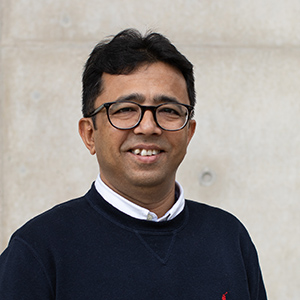
Muhammad J. A. Shiddiky is a Distinguished Professor of Nanotechnology at Charles Sturt University and a Fellow of the Royal Society of Chemistry (FRSC) and the Royal Australian Chemical Institute (FRACI). His research focuses on developing advanced biosensing methods and portable diagnostics devices, with applications in healthcare, agriculture, and biosecurity. He leads the Rural Health Research Institute and contributes to the University's research in molecular diagnostics and nanomedicine.
- Education: PhD in Analytical Chemistry and Electrochemistry (Pusan National University, 2007); MSc in Physical Chemistry (Shahjalal University, 1999); BSc in Chemistry (Shahjalal University, 1998)
Professor Shiddiky's research expertise spans microfluidics, nanobiotechnology, electroanalytical chemistry, and surface chemistry. He specializes in designing diagnostics tools for cancer, maternal health complications, metabolic disorders, and crop diseases. His work has resulted in multiple patents and collaborations with industry partners, advancing technologies for remote communities and precision agriculture.
His 15 most recent publications highlight innovations in DNA adsorption biosensors, mutation detection for colorectal cancer, Cryptosporidium oocyst analysis, Aboriginal health policy, sugarcane disease diagnostics, diabetic kidney disease management, and liver cancer precision medicine. These works integrate nanotechnology, microfluidics, and molecular diagnostics to address critical challenges in healthcare and agriculture.
- Scientific Awards: 2022 Griffith University Vice Chancellor's Award; ARC DECRA Fellowship (2012–2014); NHMRC Career Development Fellowship (2015–2019); Recognized among top 2% of global researchers by Stanford University (2021–2025)
Professor Shiddiky has secured over $10.5 million in research funding since 2011, including seven ARC projects as lead or co-CI. He serves on the editorial boards of Analytical Chemistry (ACS), The Analyst (RSC), and other journals, and is an Executive Associate Editor for Analytical Sciences. His leadership extends to the Society for the ANZ Nano- and Microfluidics community and the ARC College of Experts (2023–2025).


