معرفی
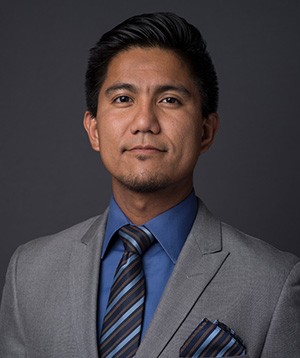
Mookie C. Manalili serves as Part-Time Faculty at Boston College with dual appointments in the School of Social Work (teaching Narrative Therapy and Adult Psychological Trauma) and the Department of Psychology & Neuroscience (teaching Introduction to Psychopathology). He co-leads the Psychological Humanities Lab: Ethical Research and Clinical Practices and serves as co-chair for Psychology and the Other while acting as Associate Editor for its Routledge book series. Currently completing his PhD in Pastoral Theology & Psychology at Boston University, Manalili maintains an active integration of clinical practice, academic teaching, and interdisciplinary research.
His educational background includes a B.S.E. from Loyola Marymount University, an M.A. from the University of Notre Dame, and M.T.S. and M.S.W. degrees from Boston College. As a Licensed Independent Certified Social Worker (LICSW), he operates a private psychotherapy practice that synthesizes narrative therapy, psychoanalysis, logotherapy, mindfulness traditions, and somatic approaches to address psychological suffering through meaning-centered frameworks.
Manalili's research program examines how individuals construct meaning from suffering, with particular focus on embodiment, trauma, and ethical responsibility. His work bridges clinical social work with philosophical inquiry, exploring how social marginalization shapes psychological experience and ethical obligation. He investigates the connections between aesthetic experience and moral formation, arguing that artistic engagement cultivates ethical sensibilities necessary for addressing contemporary social challenges.
His scholarly output reveals a consistent trajectory toward understanding the intersection of psychological suffering and ethical action. Through publications like Meaningless Suffering: Traumatic Marginalisation and Ethical Responsibility (2024) and the forthcoming Aesthetic Ethics: Towards a Moral Imagination (2026), he develops frameworks for understanding how traumatic experiences challenge conventional meaning-making while demanding ethical responses that extend beyond individual healing to social transformation.
- Meaningless Suffering (2024) examines racial trauma and ethical responsibility through psychoanalytic and phenomenological lenses
- Aesthetic Ethics (2026) investigates how engagement with art cultivates moral imagination
- Motivation to Protect Future People (2023) explores intergenerational ethics and meaning-making
As co-leader of the Psychological Humanities Lab, Manalili fosters interdisciplinary collaboration between psychology, philosophy, and the arts. His academic presentations and workshops span psychology, philosophy, theology, and social work, reflecting his commitment to building bridges between theoretical scholarship and clinical practice while addressing urgent social concerns through the lens of psychological humanities.