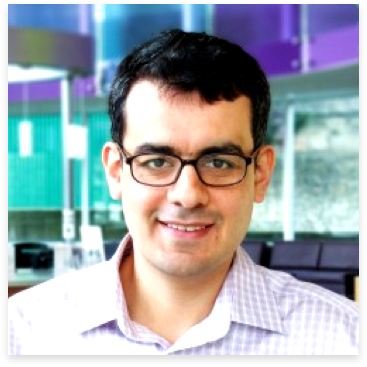
معرفی
Mohsen Sadatsafavi is an Associate Professor at The University of British Columbia's Faculty of Pharmaceutical Sciences, where he serves as Associate Director of Research for the Collaboration for Outcomes Research and Evaluation. He holds additional affiliations with the Centre for Heart Lung Innovation, the Division of Respiratory Medicine at UBC, and the Centre for Clinical Epidemiology and Evaluation. As principal investigator of the Respiratory Evaluation Sciences Program (RESP), he leads a multidisciplinary research team focused on quantitative approaches to respiratory disease management.
Dr. Sadatsafavi's research interests center on predictive analytics, clinical prediction modeling, and epidemiological modeling with a focus on chronic respiratory diseases, particularly asthma and COPD. His work employs a variety of quantitative techniques to project outcomes of medical decisions at both the individual patient level and population level. His lab specializes in decision analysis, clinical prediction modeling, health economics, and outcomes research in respiratory medicine.
Analysis of Dr. Sadatsafavi's recent publications reveals a strong focus on precision medicine approaches for respiratory diseases, with particular emphasis on prediction modeling for asthma and COPD exacerbations, health economic evaluations, and methodological advancements in clinical prediction. His work increasingly incorporates advanced statistical techniques, machine learning approaches, and real-world evidence to address critical questions in respiratory medicine.
Scientific Awards:
- New Investigator Award from the Canadian Institutes of Health Research (CIHR) (2015-2020)
- Scholar Award from the Michael Smith Foundation for Health Research (MSFHR) (2015-2020)
- Bisby Fellowship Prize from the Canadian Institutes of Health Research (CIHR) (2009-2012)
- Early Research Leaders Initiative (ERLI) Award (2015-2018)
Dr. Sadatsafavi has successfully secured multiple research grants including funding from the Canadian Foundation for Innovation (CFI) for the PRogrammable Interface for Statistical & Simulation Models (PRISM) project, and several Canadian Institutes of Health Research (CIHR) grants focused on prediction tools for COPD exacerbations and respiratory evaluation sciences. His research group, the Respiratory Evaluation Sciences Program (RESP), mentors graduate students including PhD candidates like Amin Adibi who completed a dissertation on race and spirometry.
The RESP lab maintains active collaborations through the Peer Models Network and works closely with clinical partners across respiratory medicine. Their research infrastructure includes specialized software tools like iPRESS for implementing prediction models in clinical practice. The team regularly contributes to major clinical practice guidelines, including the American Thoracic Society Clinical Practice Guideline on Pharmacologic Management of COPD.