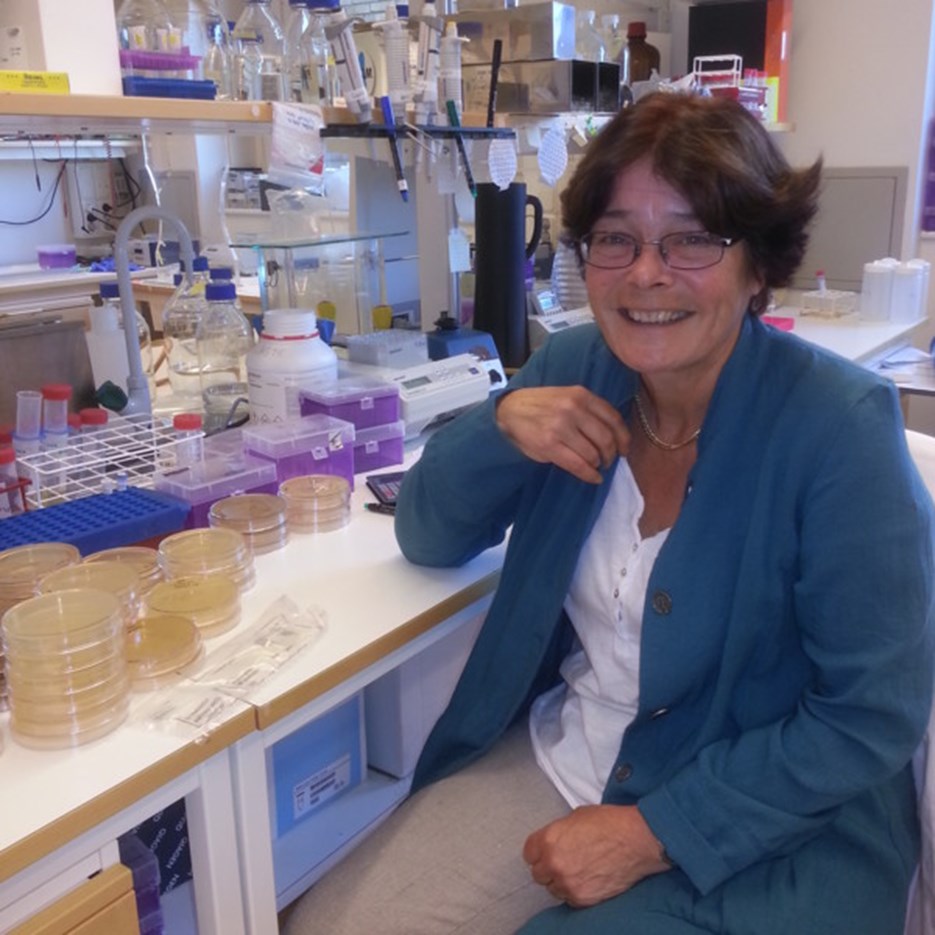
معرفی
Mohammad Roghanian is a Guest Researcher at the Department of Biology, Functional Genomics section, University of Copenhagen. His research focuses on molecular mechanisms of bacterial stress response, particularly the stringent response mediated by (p)ppGpp signaling in bacteria like Escherichia coli.
Dr. Roghanian's primary research interests include:
- Stringent response regulation in bacteria
- (p)ppGpp alarmone signaling pathways
- Toxin-antitoxin systems and their role in stress adaptation
- Molecular basis of bacterial persistence
- RelA enzyme function and regulation
- Ribosome-mediated stress sensing mechanisms
Analysis of Dr. Roghanian's publications from 2015-2019 reveals a cohesive research program examining how bacteria sense and respond to environmental stresses through the stringent response pathway. His work demonstrates how (p)ppGpp signaling connects various stress conditions—including nutrient starvation, membrane defects, and translational challenges—to global changes in bacterial physiology. A significant portion of his research investigates the molecular mechanisms by which HipA and related toxins interact with the stringent response to generate persister cells.
Dr. Roghanian has established productive collaborations with Professor Kenn Gerdes and other researchers at the University of Copenhagen. His work has been published in high-impact journals including Molecular Cell, Proceedings of the National Academy of Sciences, and mBio, with several papers receiving substantial citation counts, particularly his research on persister cell formation.