معرفی
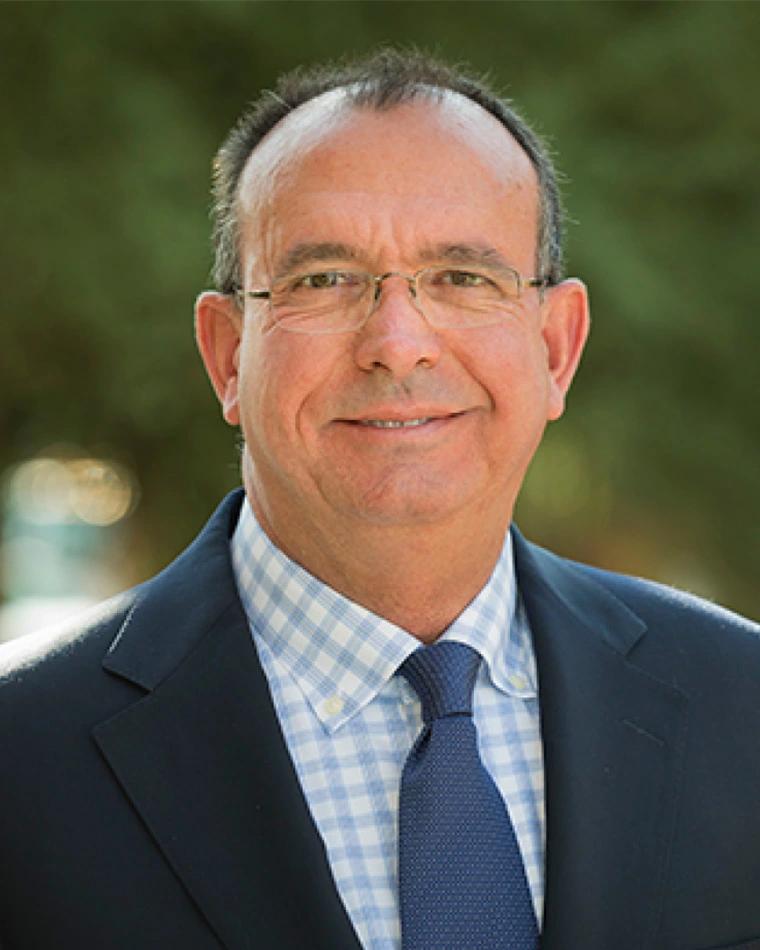
Mohamad Talas serves as an Adjunct Professor in the Department of Civil and Urban Engineering at New York University's Tandon School of Engineering, teaching Traffic Engineering courses including the Traffic Engineering Project since 2010.
His academic credentials include a Ph.D. in Transportation Planning and Engineering (2010) and Master's in Transportation Planning and Engineering (2003) from NYU-Poly, complemented by a Master's (1988) and B.S. (1986) in Electrical Engineering from Fairleigh Dickinson University. He maintains licensure as a Professional Engineer and Professional Traffic Operations Engineer, with active membership in ITS America, ITE, and the Advanced Transportation Controller National Standards committee.
Dr. Talas' research focuses on pragmatic detector applications for intelligent traffic control in Central Business Districts using ITS, emphasizing occupancy/queue dynamics and flow-based demand estimation. His work bridges theoretical frameworks with large-scale implementations in NYC's transportation infrastructure.
His publications demonstrate consistent expertise in urban ITS deployment, particularly the 2014 Midtown In Motion analysis and 2010 ITE Journal article, covering adaptive signal control, connected vehicle systems, and traffic management center operations across Manhattan and citywide networks.
With 27+ years at NYCDOT, he directs ITS project management, research, and development, overseeing modernization of 12,000+ traffic signals and pioneering systems like NYC Connected Vehicle Pilot Deployment. His conference presentations at ITS America, TRB, and ITE address advanced traffic signal control, TMC operations, and adaptive management strategies.
No documented advisees or research grants were specified in the source material.
Dr. Talas leads critical ITS infrastructure teams including the Traffic Management Center and Midtown In Motion implementation group, driving NYC's intelligent transportation evolution through real-time signal optimization and connected vehicle technologies.