معرفی
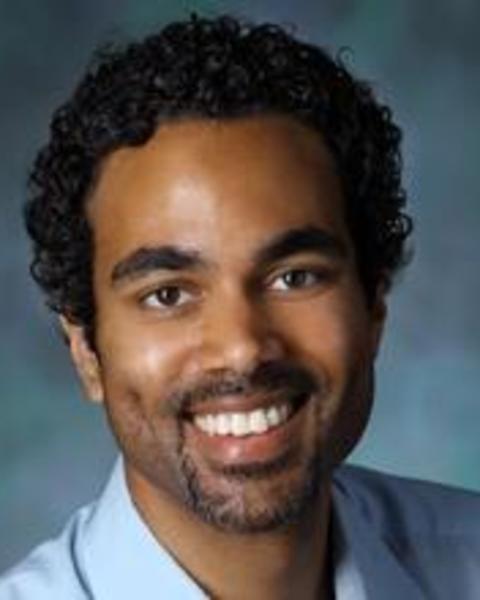
Mo Li serves as an Associate Professor in the Bioscience department within the Biological, Environmental Sciences and Engineering (BESE) division at King Abdullah University of Science and Technology (KAUST), a position held since July 2022 after serving as Assistant Professor from December 2016. Their research program bridges stem cell engineering, genome editing, and developmental biology with significant contributions to embryo modeling and genomic analysis technologies.
Education:
- PhD in Cellular Biology, University of Georgia (2001-2007)
Research focuses on leveraging pluripotent stem cells to model human development and disease, with particular emphasis on CRISPR-Cas9 optimization, DNA repair mechanisms, and mitochondrial genomics. Their lab pioneers blastoid models for studying early embryogenesis while developing computational tools like deepBlastoid for high-throughput embryo model analysis. Recent work explores microhomology-mediated end joining pathways to improve gene editing precision and employs long-read sequencing for single-cell genomic disorder detection.
Analysis of 2023-2025 publications reveals three dominant research thrusts: (1) Advancement of stem cell-based embryo models with focus on trophoblast differentiation and primate aging interventions; (2) CRISPR-Cas9 refinement through DNA repair pathway modulation; (3) Nanopore sequencing applications for mitochondrial heteroplasmy analysis and genomic disorder diagnostics. Key interdisciplinary connections span computational biology, reproductive medicine, and regenerative therapeutics.
Scientific awards: None documented in source materials.
As principal investigator, Mo Li mentors graduate students and postdoctoral researchers in genome editing and stem cell differentiation projects, with collaborative grants supporting KAUST's core sequencing facilities. Their team maintains active partnerships with international institutions including Salk Institute (evidenced by salk.edu email domain) and clinical genomics centers for translational applications.
The research group operates within KAUST's state-of-the-art Bioscience facilities, utilizing single-cell sequencing platforms, stem cell culture suites, and computational infrastructure for AI-driven image analysis. Current initiatives include developing senescence-resistant progenitor cell therapies and establishing standardized protocols for blastoid model validation through the BESE division's developmental biology consortium.