
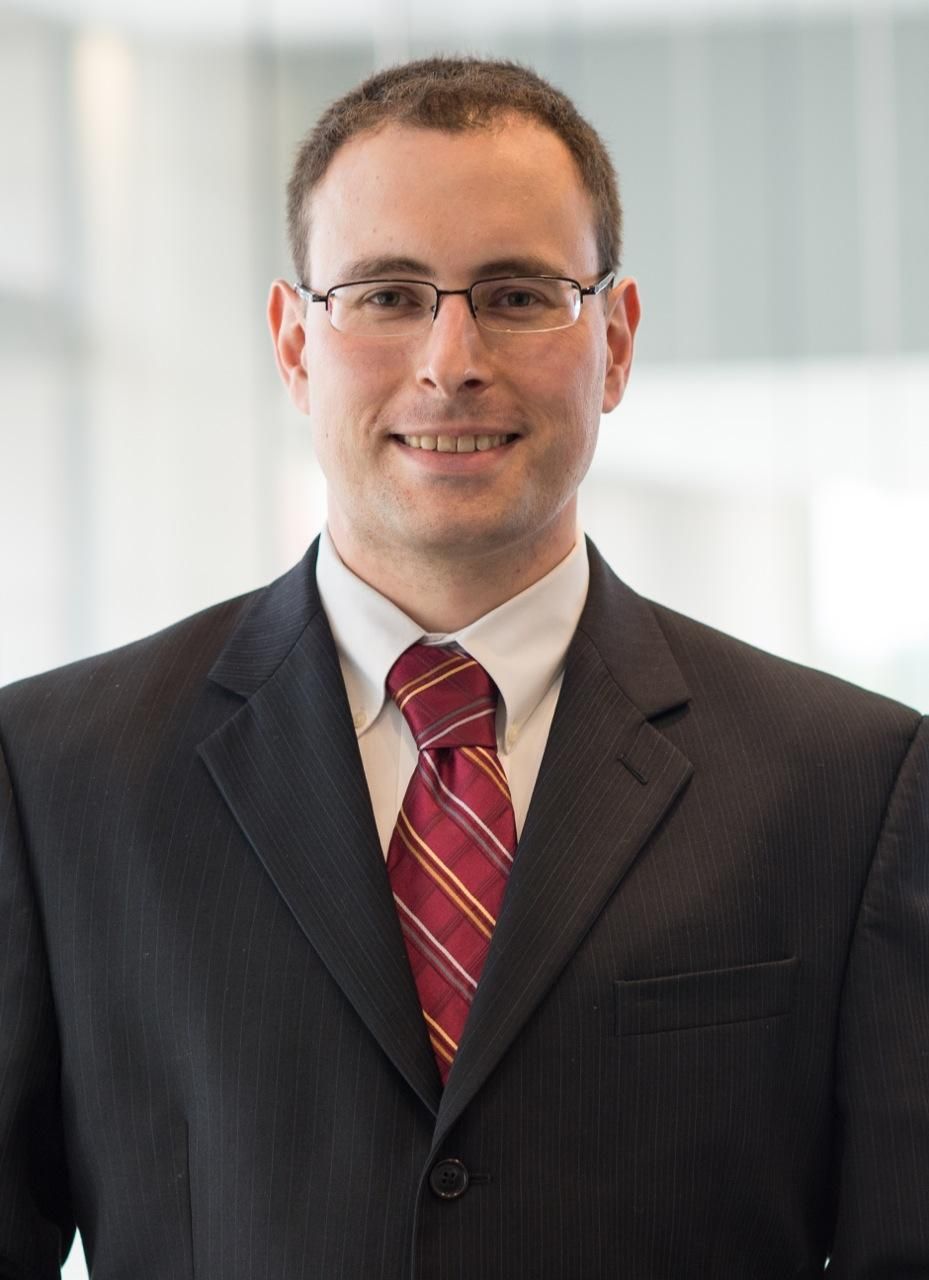
معرفی
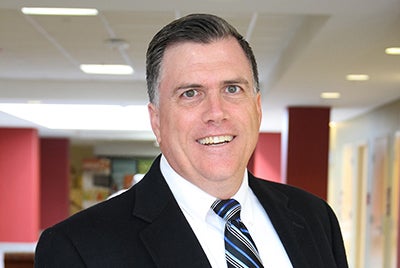
Miles Berger is an Adjunct Associate Professor in the Department of Anesthesiology at Duke University School of Medicine. He is also a Faculty Network Member of the Duke Institute for Brain Sciences and an Associate of the Duke Initiative for Science & Society.
Dr. Berger received his Ph.D. and M.D. from the University of California, San Francisco in 2007 and 2009 respectively, followed by an Internship and Residency in Anesthesiology at Duke University School of Medicine from 2009 to 2013.
Dr. Berger's research focuses on three main areas: 1) the mechanisms of postoperative neurocognitive disorders such as delirium and their relationship to Alzheimer's Disease and Related Dementias (ADRD); 2) the potential of altered anesthetic-induced brain EEG waveforms as indicators of preclinical neurodegenerative disease pathology; and 3) how the APOE4 allele damages brain circuitry throughout the adult lifespan and contributes to increased risk of late onset Alzheimer's disease. His work employs a transdisciplinary approach, combining methods such as CSF and blood sampling, functional neuroimaging, EEG recordings, rigorous biochemical assays, and cognitive testing and delirium screening.
Analysis of Dr. Berger's recent publications reveals a strong focus on the intersection of anesthesia, neurocognitive outcomes, and neurodegenerative processes in older adults. His work increasingly emphasizes EEG-based biomarkers for predicting and understanding postoperative delirium, the role of APOE4 in neuroinflammation, and the relationship between surgical procedures and long-term cognitive outcomes. Many studies incorporate advanced techniques like proteomics, neuroimaging, and machine learning approaches to analyze complex datasets.
Dr. Berger currently leads multiple significant research grants including "Brain Vulnerability in Delirium and Alzheimer's Disease and Related Dementias: Intersection of Polygenic Risk and Inflammation" (2023-2027) and "A Phase II Study of an ApoE mimetic peptide to reduce Postoperative Delirium, Cognitive Dysfunction after Non-Cardiac Surgery in Older Adults" (2018-2024). His research team includes individuals with diverse scientific and clinical backgrounds, ranging from neuropsychology and neuroimaging to proteomics, flow cytometry and behavioral neuroscience in animal models, all working to better understand mechanisms of age-dependent brain dysfunction.
Miles Berger در سایتهای دیگر
جستوجوهای مرتبط
شاید اینها هم برایتان مناسب باشند
 Jeffrey Nicholas BrowndykeDuke University · دانشیار
 Leah AckerDuke University · استادیار
 Niccolò TerrandoDuke University · استاد
 Katie J. SchenningOregon Health & Science University · دانشیار
 Carson SmithUniversity of Maryland, College Park · استاد
 Na ZhaoMayo Clinic College of Medicine and Science · دانشیار