معرفی
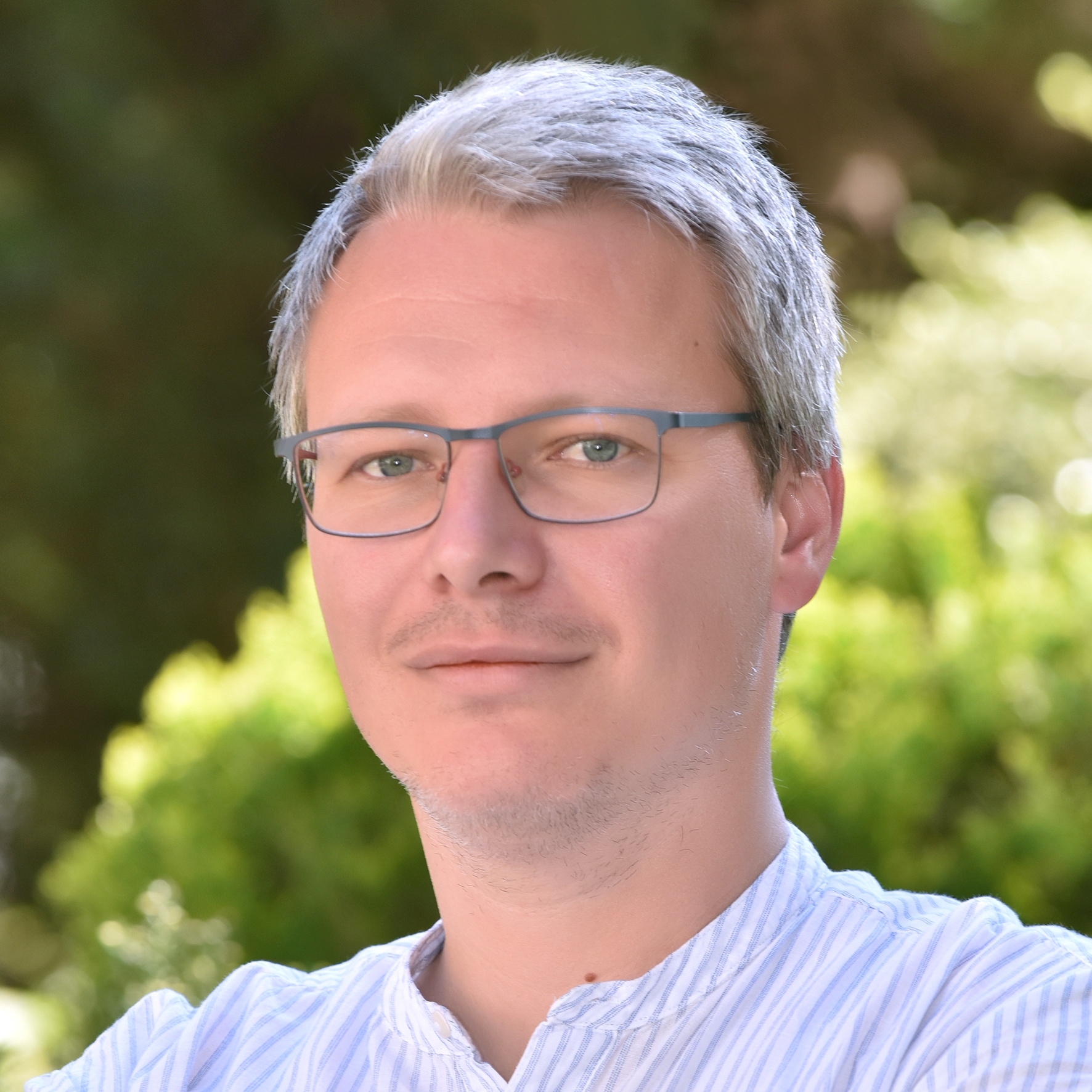
Milan Shipka is a Senior Lecturer at the Department of Soil, Physiology and Plant Nutrition within the Faculty of Agriculture at the University of Banja Luka, Bosnia and Herzegovina. Elected to his position on December 27, 2024, he actively contributes to both undergraduate and graduate education, teaching courses including Pedology, Land Reclamation, Irrigation, and Plant Nutrition across multiple study programs.
Dr. Shipka's research focuses on critical agricultural sustainability issues, with particular expertise in soil science, agricultural water management, land reclamation, and plant nutrition. His work bridges theoretical knowledge with practical applications for improving agricultural practices in Bosnia and Herzegovina. Current research directions emphasize smart water management systems, sustainable land use practices, and the application of GIS technology in agricultural resource management.
His recent publications (2020-2024) demonstrate a strong focus on agricultural water management challenges, particularly through the EU-funded SMARTWATER project. These works address maize cultivation optimization, green infrastructure development, soil health restoration, and precision agriculture techniques tailored to Bosnian conditions. The research consistently connects soil science fundamentals with practical water conservation strategies for regional agricultural sustainability.
Dr. Shipka participates in numerous research projects including the EU Horizon 2020 SMARTWATER project (2020-2023), 'Valorization of domestic plum seed pits' (2025-2026), and 'Soil health restoration and sustainable agriculture initiative in the Balkan region' (2024-2025). He collaborates extensively with researchers across Bosnia and Herzegovina and internationally, particularly with institutions in Spain, Portugal, and the Czech Republic.
His academic work spans multiple dimensions of sustainable agriculture, with particular attention to the intersection of soil science, water resources, and technological innovation for improving agricultural productivity while preserving environmental quality in the Bosnian context.