معرفی
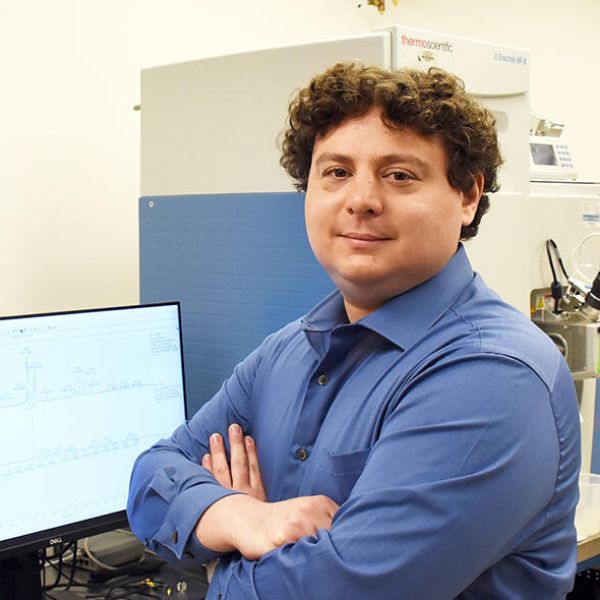
Mike Kiebish serves as a Visiting Scholar in the Biology Department at Boston College and Vice President of Platform and Translational Sciences at BPGbio. His multidisciplinary expertise spans molecular cardiology, pharmacology, bioorganic chemistry, and lipidomics/metabolomics, positioning him at the intersection of academic research and biotechnology innovation.
His educational background includes:
- Postdoctoral Training at Washington University School of Medicine in Molecular Cardiology and Pharmacology, Bioorganic Chemistry, Systems Biology, Biophysics, Membrane Biochemistry, and Lipidomics/Metabolomics
- Ph.D. in Biology from Boston College focusing on Metabolic Neurochemistry, Neuro-oncology, Neurodegeneration, and Lipid biochemistry
- B.S. from Villanova University with majors in Biology and Comprehensive Science, and minors in Business and Russian
Kiebish's research centers on high throughput omic technologies applied to therapeutic development for oncology, metabolic diseases, rare diseases, and neurological disorders. His pioneering work has identified novel lipokines with potent biological functions, developed spatial omic technologies for single-cell metabolite tracking, and created screening tools for protein degradation assessment. His team's implementation of Bayesian analytics has advanced target discovery and biomarker development, resulting in over 100 publications and 10+ issued patents.
Analysis of his recent publications reveals a cohesive research trajectory focused on lipid signaling molecules (particularly 12,13-diHOME and related compounds) and their roles in metabolic regulation, cardiovascular function, and cancer biology. His work increasingly integrates AI-driven approaches with experimental biology, exemplified by BPGbio's NAi Interrogative Biology Platform which performs comprehensive multi-omics analysis using Bayesian causal AI models.
Kiebish's leadership has contributed to multiple clinical trials for conditions including Glioblastoma, Primary CoQ10 Deficiency, Pancreatic Cancer, Epidermolysis Bullosa, and Sarcopenia. His Protein Homeostasis program, built around a First-In-Class ubiquitin conjugating enzyme (E2) based targeted protein degradation platform, represents a novel therapeutic approach with significant potential.