معرفی
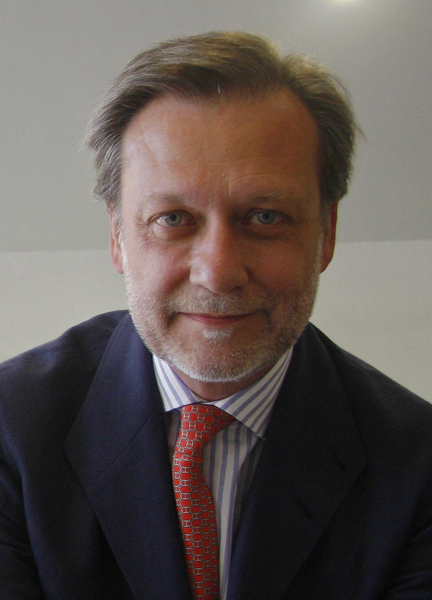
Miguel Angel de la Rosa Acosta is a Professor in the Department of Plant Biochemistry and Molecular Biology at the University of Seville. He leads research within the PROTEÓMICA ESTRUCTURAL Y FUNCIONAL (PROTEO) research group and has maintained an active research program for several decades, with continuous funding from numerous national and international projects.
His research primarily focuses on cytochrome c, a key hemeprotein with dual roles in cellular respiration and programmed cell death. His work spans structural biology, protein biochemistry, and molecular cell biology, investigating cytochrome c's structure-function relationships, its interactions with redox partners in photosynthetic and respiratory systems, and its unexpected roles in the nucleus regulating chromatin dynamics and DNA damage response. His research has revealed evolutionary conservation of cytochrome c's functions between plants and humans, particularly in programmed cell death pathways.
Analysis of his recent publications shows a clear research trajectory focusing on cytochrome c's post-translational modifications, particularly phosphorylation, and how these modifications alter its structural dynamics and functional roles. His work has expanded cytochrome c's known functions beyond mitochondrial respiration to include nuclear signaling, chromatin remodeling, and regulation of cell death pathways. The research employs diverse methodologies including X-ray crystallography, NMR, calorimetry, electrochemistry, and biophysical techniques to characterize protein interactions.
Professor de la Rosa Acosta has supervised numerous PhD students and postdoctoral researchers who frequently appear as co-authors on his publications. His research has been supported by various grants including European Union projects, Spanish national research programs, and collaborations with international institutions. He has served as principal investigator for numerous research projects related to protein structure-function relationships, particularly focusing on cytochrome c and related redox proteins.
He is actively involved with the research infrastructure at the University of Seville, particularly with the CIC Cartuja research center, where advanced techniques like Nano ITC, Nano DSC, and SPR imaging are utilized for protein characterization. His work bridges fundamental protein science with potential biomedical applications, particularly in understanding cell death mechanisms relevant to human diseases.