معرفی
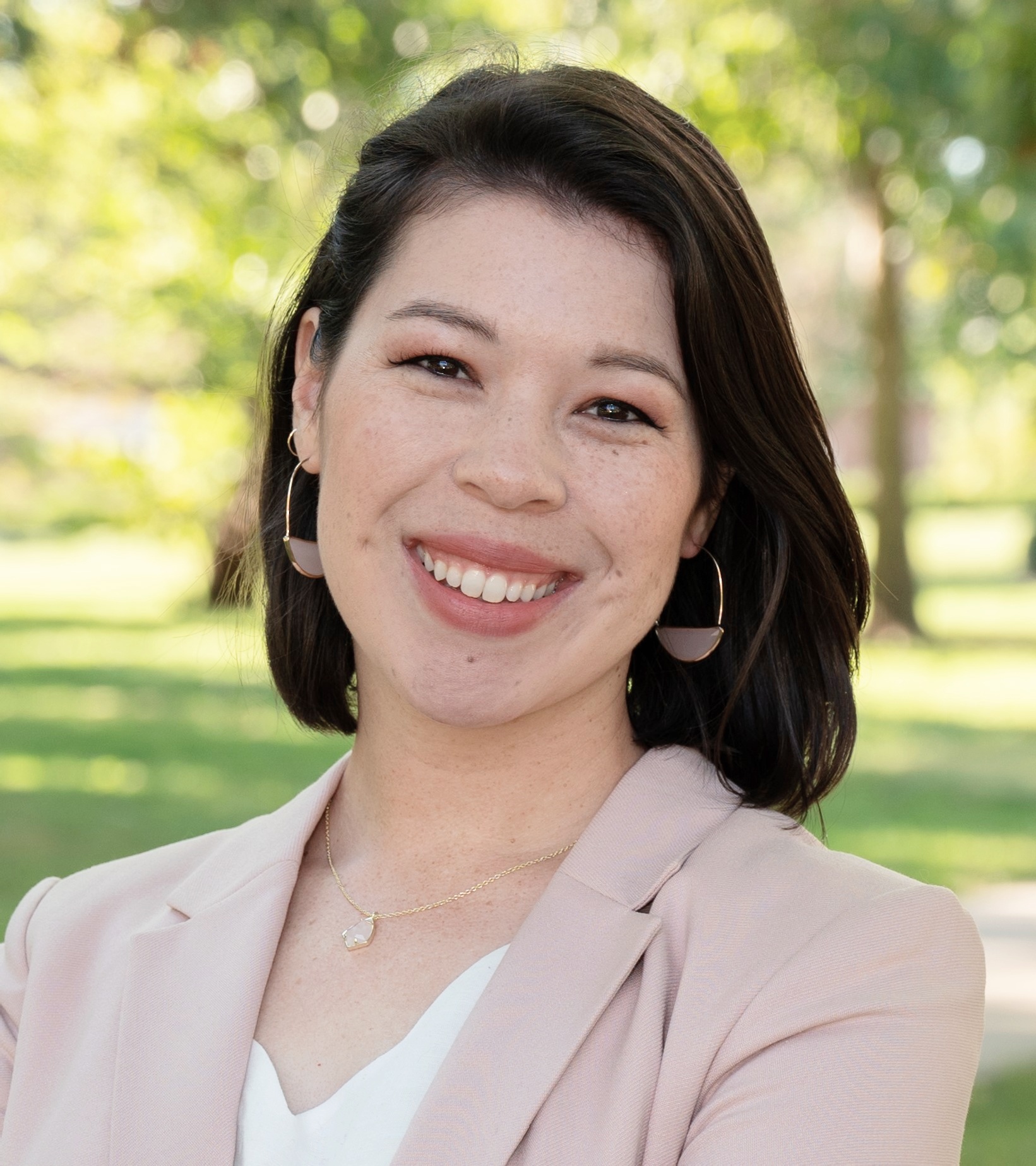
Michelle Pasco is an Assistant Professor in the Department of Family Social Science at the University of Minnesota's College of Education and Human Development. She holds a PhD in Family and Human Development from Arizona State University, specializing in Measurement and Statistical Analysis, and completed a postdoctoral fellowship with the Arizona Youth Identity Project. Her research focuses on the intersection of cultural contexts, neighborhood environments, and ethnic-racial identity development among minoritized youth. She employs mixed-methods approaches to explore how socialization processes, discrimination experiences, and community structures influence adolescent outcomes.
Education:
- PhD, Family and Human Development, Arizona State University (201X)
- MS, Family and Human Development, Arizona State University
- BA, Psychology, UCLA (201X), with a minor in Asian American Studies
Research Interests: Dr. Pasco's work examines ethnic-racial identity formation, neighborhood effects on youth development, and the impact of discrimination on mental health. She uses innovative methods like photovoice and qualitative interviews to study political engagement and identity construction among Latinx and Mexican-origin populations. Her interdisciplinary approach integrates perspectives from psychology, sociology, and ethnic studies.
Recent Work Trends: Recent publications emphasize neighborhood-environment interactions, the role of parenting processes in identity development, and the application of mixed-methods to validate subjective vs. objective neighborhood measures. She also explores how systemic racism manifests in educational and social contexts, particularly through teacher-student dynamics.
Advising & Grants: Currently accepting graduate and undergraduate advisees for research on identity, neighborhoods, and political socialization. Active in securing grants for photovoice projects and longitudinal studies examining identity development across diverse communities.
Labs/Teams: Leads research on the Arizona Youth Identity Project and collaborates with the PLACE Development Working Group on neighborhood and activity space studies. Engages in interdisciplinary teams bridging education, sociology, and public health.