معرفی
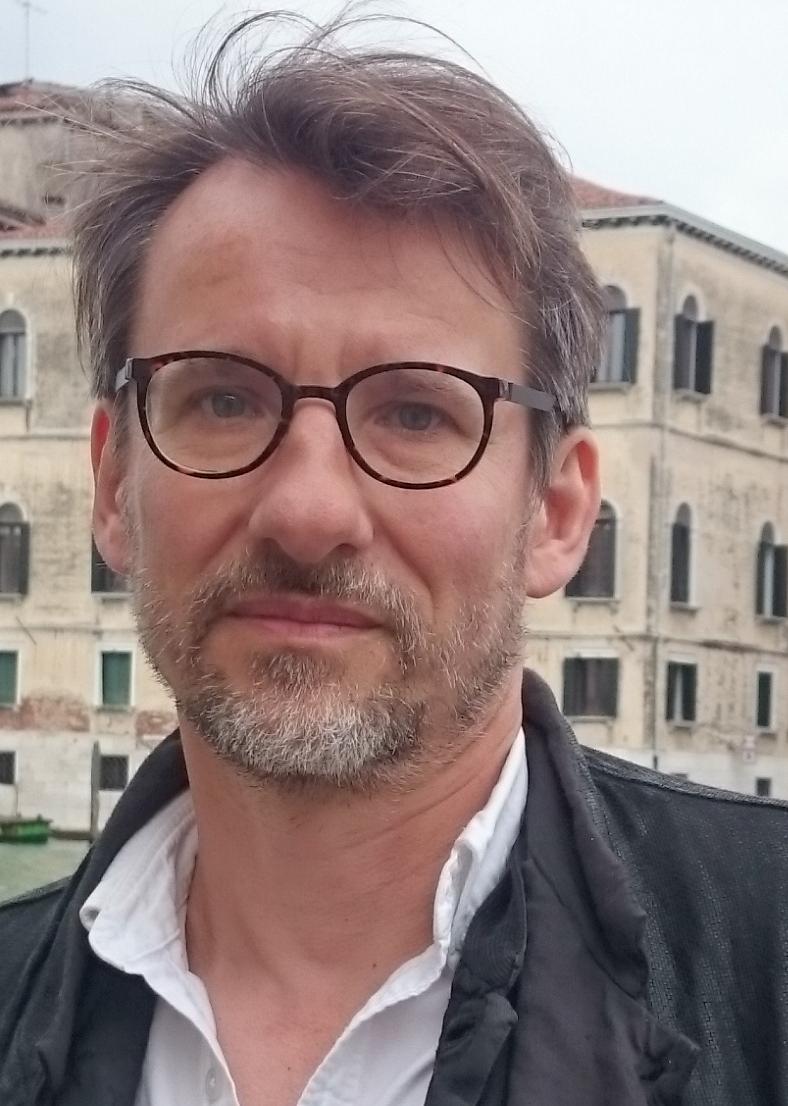
Michal Oklot is an Associate Professor in the Department of Slavic Studies at Brown University, specializing in Russian and Polish literatures of the 19th and 20th centuries. His scholarly work centers on modernism, literary theory, and Slavic intellectual history, with a particular focus on figures such as Nikolai Gogol, Anton Chekhov, Vasily Rozanov, and Witold Gombrowicz.
- PhD, Northwestern University, 2005
- MA, Northwestern University, 2000
His research explores the intersections of literature, philosophy, and speculative thought, especially alternative conceptions of materialism and the nature of matter in modernist writing. He has published widely on topics including literary ontology, psychoanalysis, apocalyptic thought, and the intellectual legacies of Central European modernism.
The trends in his recent publications indicate a sustained engagement with comparative literary analysis, philosophical interpretation, and interdisciplinary inquiry. His work frequently bridges Russian and Polish modernist traditions, examining themes such as time, identity, melancholy, and the limits of narrative and rational thought. He often contributes to edited volumes in the 'Literature in Context' series, indicating a contextual and historically grounded approach to literary scholarship.
Michal Oklot has taught at the University of Wisconsin-Madison, the American University in Cairo, and the University of Warsaw before joining Brown University. He teaches courses in Polish and Russian language, literature, and intellectual history, including specialized seminars on Nabokov, the Russian novel, and the Russian avant-garde.
He has authored the book Phantasms of Matter in Gogol (and Gombrowicz) (Dalkey Archive Press, 2009) and numerous peer-reviewed articles in journals such as Slavic Review, Poetics Today, Slavonica, and Alif: Journal of Comparative Poetics. While no formal advising or grant information is provided, his extensive publication record and editorial contributions suggest active research leadership and scholarly collaboration.