معرفی
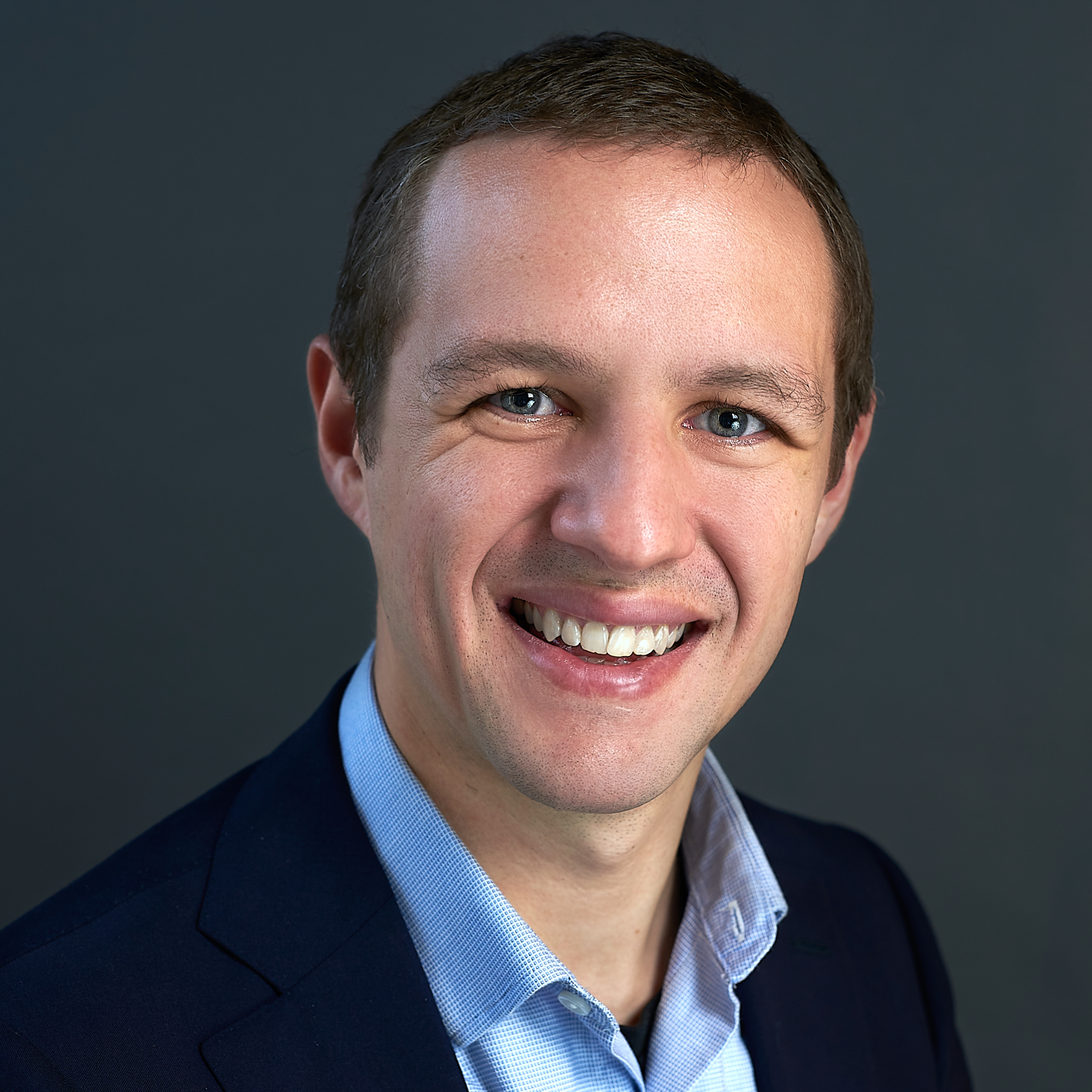
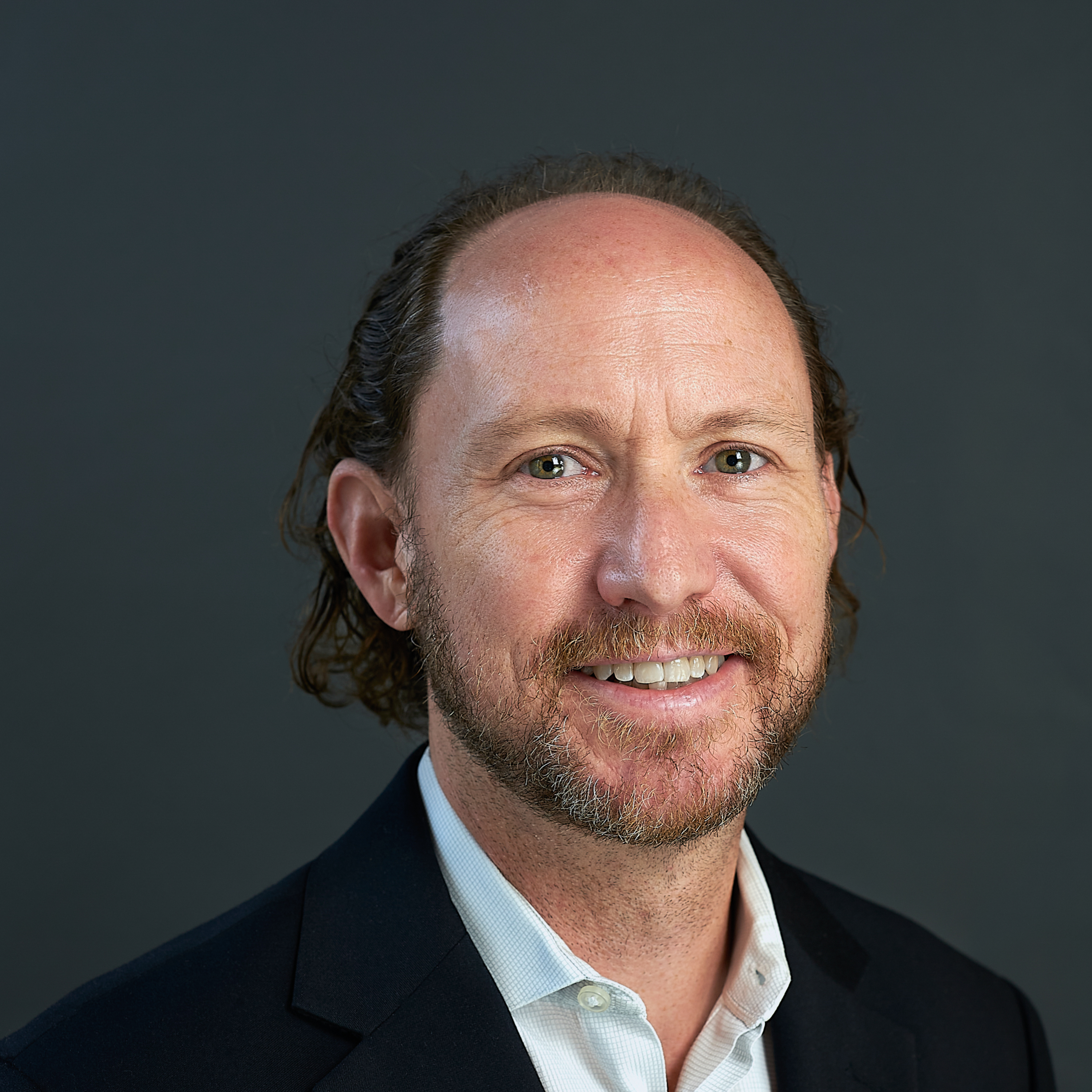
Michael Rose is an Associate Professor of Chemistry at the University of Texas at Austin and holds the Ferne and Evan Kyba Professorship in Chemistry. He serves as Director of the Center for Electrochemistry at the Allen J. Bard Center for Electrochemistry. His research program focuses on the intersection of inorganic chemistry, materials science, and electrochemistry with applications in energy conversion.
His primary research interests include electrochemistry, materials science, chemical biology, and inorganic chemistry, with specific focus on hydrogenase modeling, silicon functionalization, and artificial metalloenzyme development. His work bridges fundamental molecular chemistry with practical applications in solar energy conversion and catalysis.
Analysis of his recent publications reveals a strong trend toward interdisciplinary research combining synthetic inorganic chemistry with materials science and electrochemistry. His group has made significant contributions to understanding silicon band structure, surface functionalization effects on electrochemical properties, and the development of anthracene-scaffolded ligands for modeling biological catalysts.
Among his notable scientific achievements are:
- 2016 Cottrell Scholar Award
- Dreyfus Foundation award for developing the H2fromH2O outreach project
- ORAU Junior Faculty Award for synthetic modeling of mono-[Fe] Hydrogenase
- Office of Naval Research Young Investigator Award
- ACS/PRF grant for exploring heavy atom ligation in catalysis
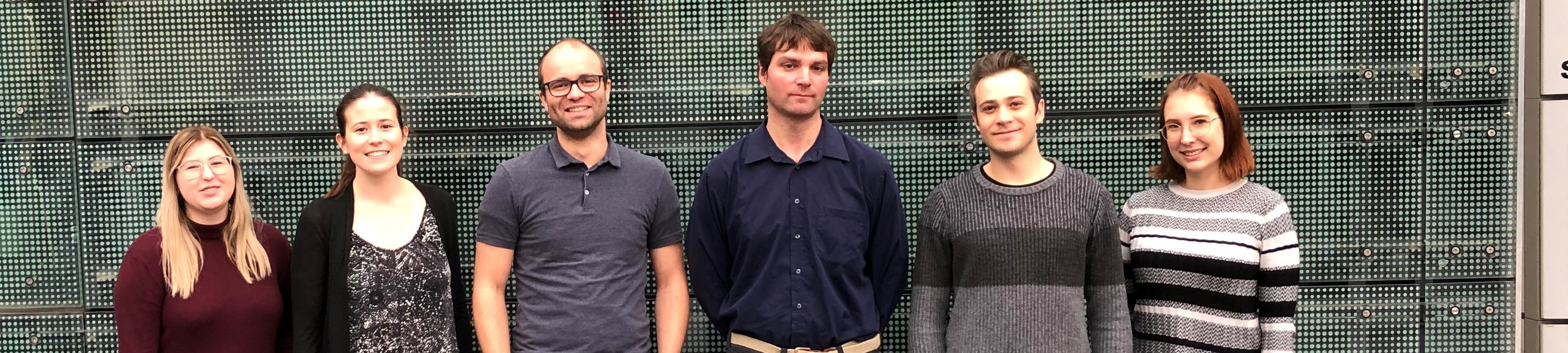
Professor Rose has mentored numerous graduate students who have gone on to postdoctoral positions at prestigious institutions including UC Irvine, Argonne National Lab, and the Max Planank Institute for Energy Conversion. His group also actively involves undergraduate researchers in synthesis, electrochemistry, and materials characterization projects. The Rose Group has secured significant funding including a $1M Keck Foundation grant for studies on Si|singlet-fission materials.
The Rose Research Group maintains strong collaborations with multiple research groups both within UT Austin and internationally, including the Hull group, Roberts' group, and the DeBeer group at the Max Planck Institute. They also participate in outreach activities through the H2fromH2O project, bringing water splitting demonstrations to middle school students.