معرفی
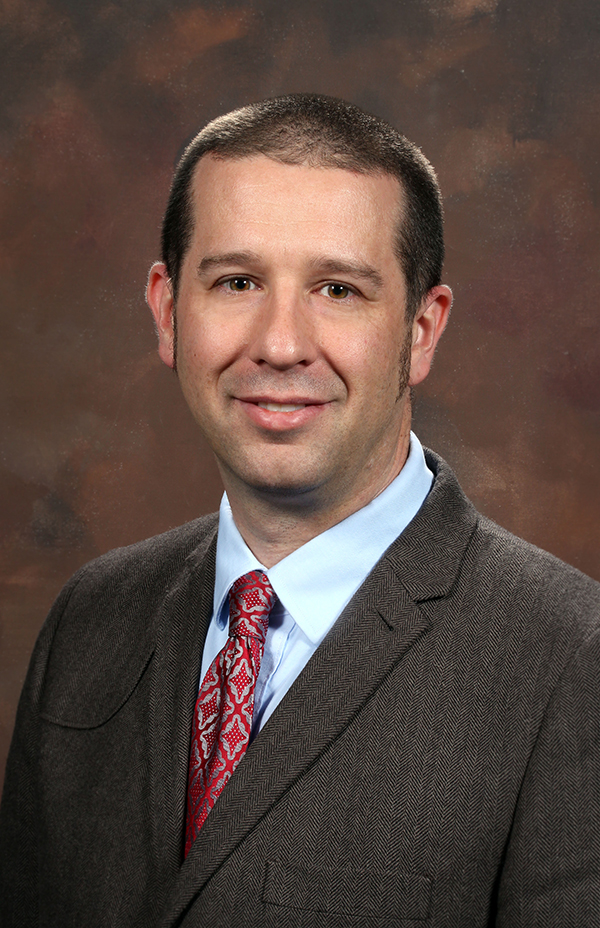
Michael Rollock is an Associate Professor in the Department of Psychiatry and Health Behavior at the Medical College of Georgia, Augusta University. He is actively engaged in medical education, teaching foundational and clinical medicine courses to medical students, with a focus on integrating psychological principles into patient care.
Education:
- Ph.D. in Clinical Psychology, National Academy For Paralegal, 2010
- M.A. in Clinical Psychology, National Academy For Paralegal, 2006
- B.A. in Psychology (General), Drexel University, 2001
His research centers on mental health, particularly depression screening in vulnerable populations such as Black Americans with multiple sclerosis, recovery-oriented psychiatric care, and shared decision-making in clinical settings. He has also explored innovative wellness concepts like "Kindfulness" to promote emotional and physical health. His work bridges clinical psychology and medical education, emphasizing patient-centered and evidence-based practices.
The most recent publications reflect a strong trend in integrating psychological screening into chronic disease management, improving clinician training, and advancing mental wellness through non-pharmacological approaches. His scholarship spans journal articles, book chapters, and broadcast media, highlighting both academic rigor and public engagement.
Scientific Awards:
- MCG Exemplary Teaching Award for Undergraduate Medical Education (2021)
- MCG Exemplary Teaching Award for Undergraduate Medical Education (2020)
- MCG Exemplary Teaching Award for Undergraduate Medical Education (2018)
- MCG Exemplary Teaching Award for Undergraduate Medical Education (2017)
- Faculty Scholarship, Beck Institute for Cognitive Behavior Therapy (2013)
Rollock is actively involved in professional service, including serving on the Psychiatry Grand Rounds Committee since 2016, reviewing for journals such as the Journal of American College Health and Training and Education in Professional Psychology, and participating in professional organizations like the International Positive Psychology Association. He has not listed any formal advisees or grants, but his contributions to curriculum development and peer review underscore his commitment to academic and clinical excellence.
He is affiliated with the Pain Management Clinic and contributes to interdisciplinary care, though no formal lab or research team is mentioned in the provided text.