معرفی
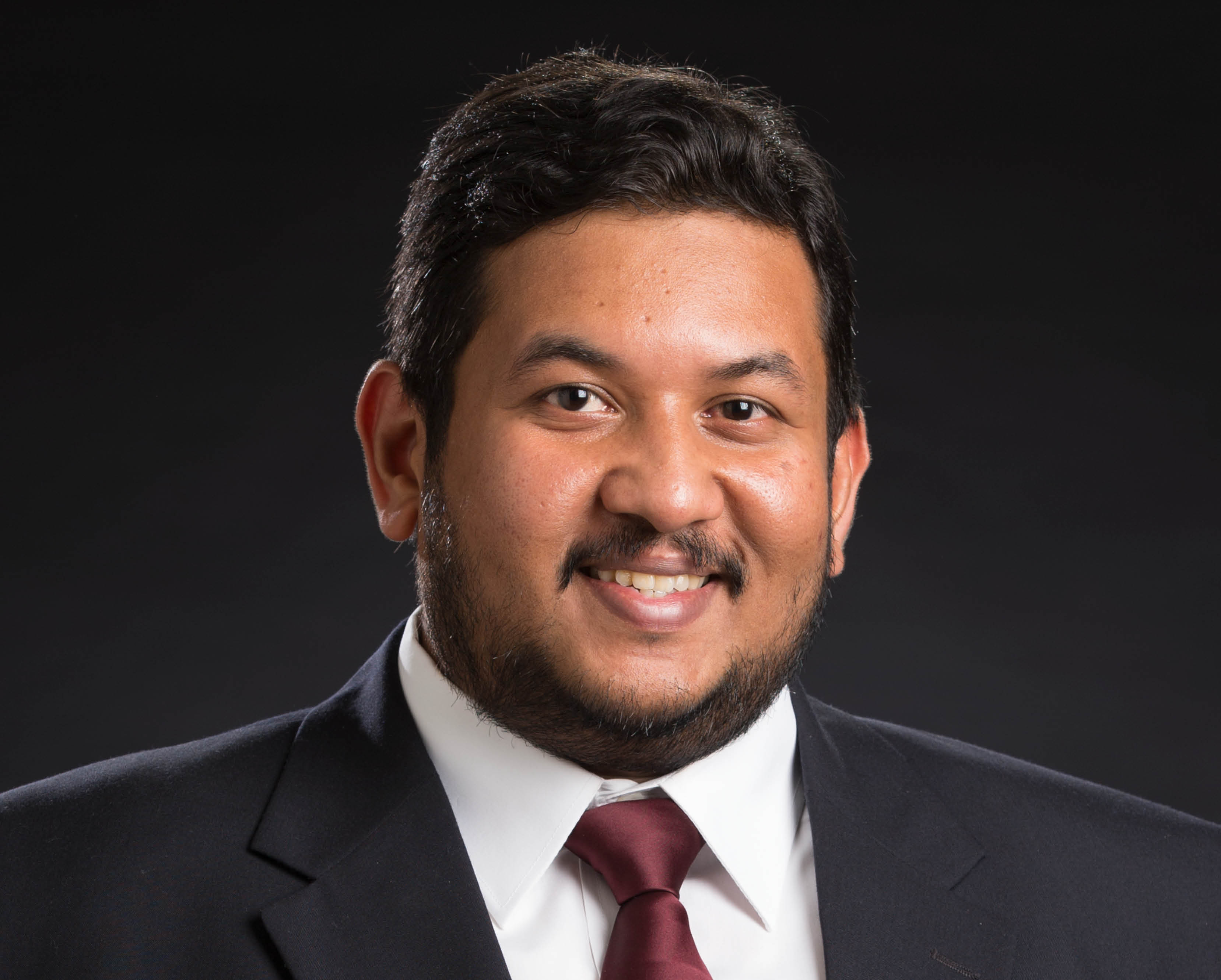
Dr. Michael Reynolds is the Department Chair and Associate Professor in the Department of Mechanical Engineering at the University of West Florida, part of the Hal Marcus College of Science and Engineering. He has played a pivotal role in establishing the mechanical engineering program since its inception in 2016, leading curriculum design, lab development, and accreditation efforts. He is based in Building 4, Room 327, and can be reached at mreynolds2@uwf.edu.
Education:
- Ph.D. in Mechanical Engineering, Purdue University, West Lafayette
- M.S. in Mechanical Engineering, Purdue University, West Lafayette
- B.S. in Mechanical Engineering, Marquette University
Dr. Reynolds' research centers on vibration and control systems, with significant work in time-optimal tracking control of flexible systems. He has also contributed to interdisciplinary areas including biomechanics, acoustic metamaterials, and engineering education—especially online pedagogy. His research is supported by NASA grants focused on high-altitude balloons, microgravity exercise, and structural health monitoring using metamaterials.
The recent publications reflect a strong trend in control theory applied to mechanical and aerospace systems, with growing emphasis on metamaterials for vibration suppression and innovative methods in engineering education. His work bridges theoretical control design with practical applications in aerospace, biomechanics, and education technology.
Scientific Awards: No specific awards are mentioned in the text.
Dr. Reynolds leads research funded by NASA and serves as Editor-in-Chief of the Journal of Online Engineering Education, the leading journal in online pedagogy for engineering. He has advised curriculum development and accreditation processes, though no named students are listed. His leadership extends to both academic administration and research innovation.
His lab and research team focus on dynamic systems, with projects involving command shaping, acoustic metamaterials, and structural health monitoring. These efforts are integrated into student projects and collaborations with agencies like NASA.