معرفی
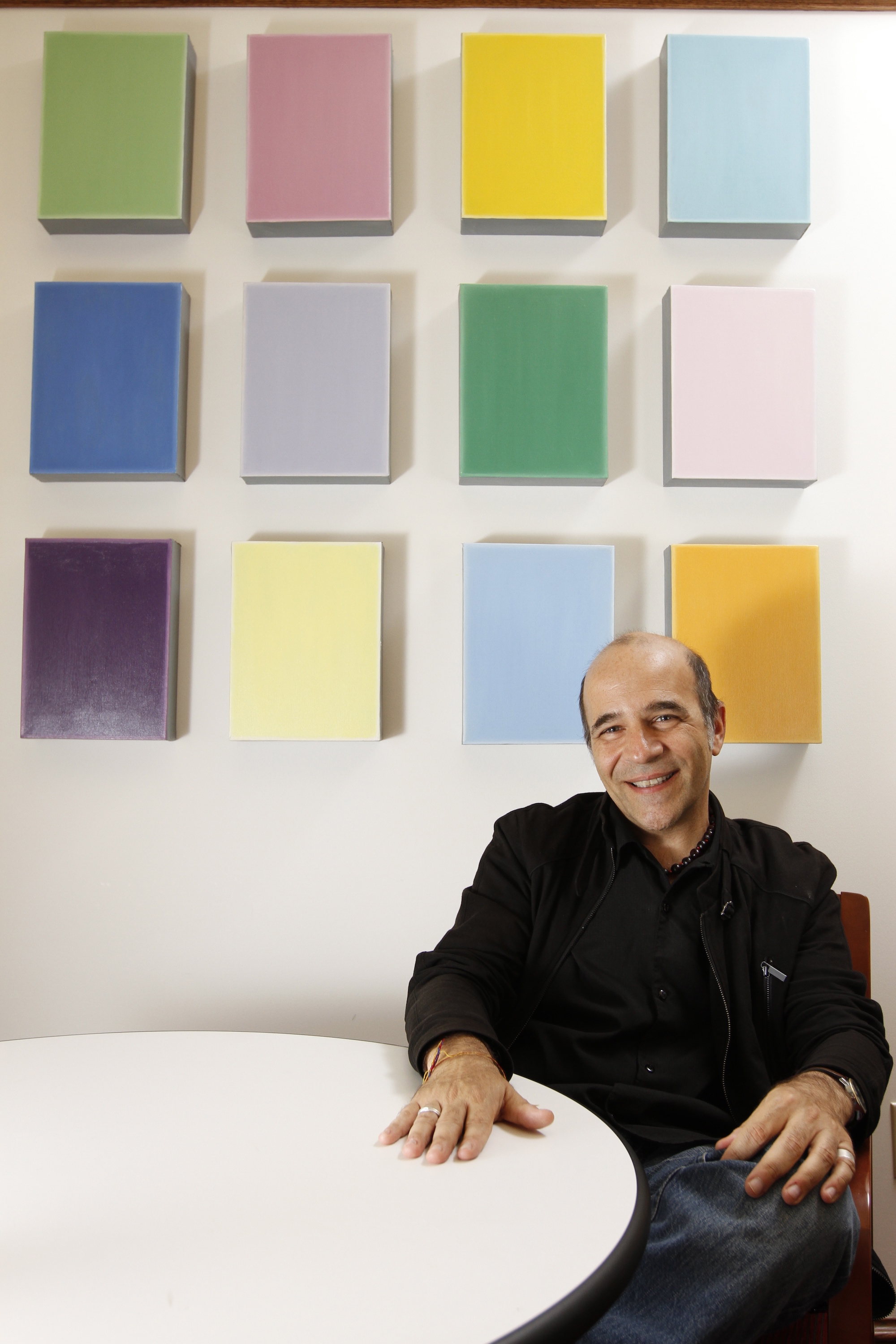
Michael LaRosa serves as Associate Professor and Irma O. Sternberg Chair of History at Rhodes College, where he has taught Latin American history since his 1995 appointment—framed institutionally as a "NAFTA hire" responding to post-1994 hemispheric dynamics. His curriculum spans Colonial/Contemporary survey sequences, History of Latin America through Feature Film, U.S.-Latin American relations, and Religion in Latin America, emphasizing critical analysis of interconnections with European, African, and U.S. histories.
His educational foundation includes:
- Ph.D. in History, University of Miami (1995)
- M.A. in History, University of Miami (1991)
- B.A., George Washington University (1986)
LaRosa's scholarship centers on Colombia's social, political, and religious history through transnational collaborations with Latin American historians and U.S. social scientists. His research examines Catholic Church influences, U.S. interventionism, and migration patterns, consistently contextualizing regional developments within global frameworks of economic integration and cultural exchange. This approach manifests in co-edited works analyzing hemispheric power structures and national identity formation.
His publication trajectory reveals deepening engagement with Colombian state formation and U.S. policy impacts, evolving from foundational textbooks to contemporary analyses of migration. The 2024 immigration study with attorney Bryce W. Ashby represents a culmination of his focus on lived experiences shaped by cross-border movements.
Award recognitions include:
- Endowed Irma O. Sternberg Chair of History
- Two Fulbright Scholarships for teaching at Colombian universities
LaRosa leverages Fulbright grants for summer teaching residencies in Bogotá—where he's spent six cumulative years since 1993—forging academic bridges while mentoring students through collaborative research. His Rhodes College courses explicitly cultivate lifelong analytical skills grounded in historical consciousness.
Embedded in Bogotá's academic community, LaRosa operates as a cultural intermediary who translates Colombian perspectives for U.S. students while enriching local scholarship through comparative frameworks developed during his Miami doctoral training.