معرفی
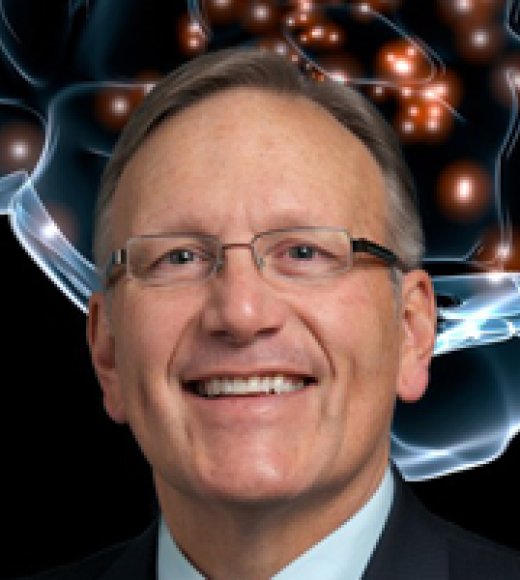
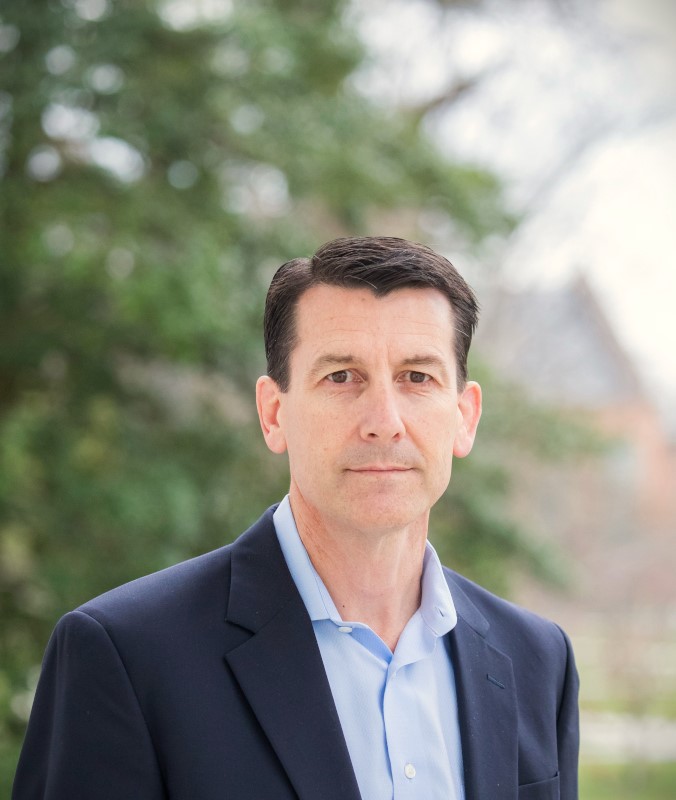
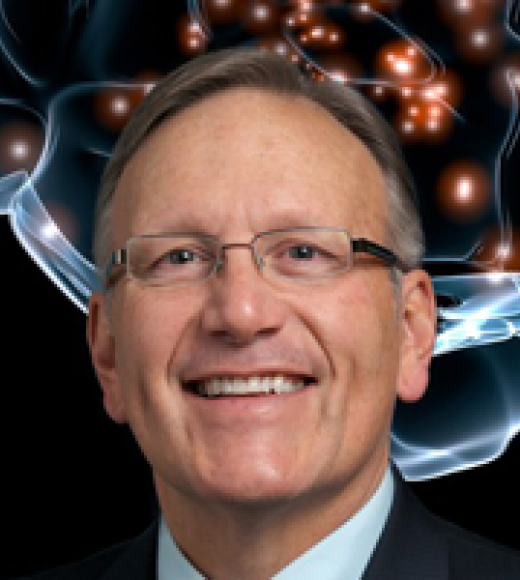
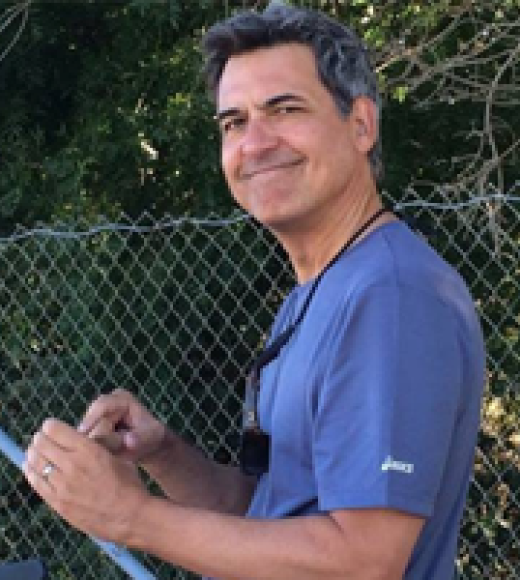
Michael D. Nelson is an Associate Professor in the Department of Psychology at Gonzaga University, within the College of Arts and Sciences. He earned his Ph.D. in Experimental Psychology with a focus on Cognitive Neuroscience from Dartmouth College, an M.A. in Neuroscience from Baylor University, and a B.A. in Psychology from Linfield College. He has previously held faculty positions at the University of Missouri–Rolla (now Missouri S&T) before joining Gonzaga in 2008.
- Ph.D., Experimental Psychology, Dartmouth College
- M.A., Neuroscience, Baylor University
- B.A., Psychology, Linfield College (magna cum laude)
Dr. Nelson's research centers on human cognition, particularly visual attention, eye movement control, functional neuroimaging, and the neural basis of psychiatric disorders. His work integrates experimental psychology with neuroscientific methods to explore how attention is allocated and how brain structures like the hippocampus are affected in conditions such as schizophrenia and PTSD. He employs fMRI, meta-analytic techniques, and behavioral paradigms to investigate cognitive mechanisms.
The recent publications highlight a strong focus on meta-analytic studies of brain structure in mental illness, the dynamics of selective attention, and the neural underpinnings of saccadic eye movements. His research bridges cognitive theory with clinical applications, particularly in understanding attentional capacity and brain volume changes. Key themes include hippocampal atrophy in schizophrenia and PTSD, attentional resource allocation, and the use of virtual reality for behavioral interventions.
While no formal scientific awards are listed, Dr. Nelson has presented his research at prominent conferences including the Association for Psychological Science and the Cognitive Neuroscience Society. His work has been widely cited, with one paper accumulating over 795 citations by 2017.
Dr. Nelson actively mentors undergraduate students, many of whom have co-authored publications and conference presentations with him. He teaches core courses such as General Psychology, Sensation & Perception, and Cognition. There is no indication of grant funding in the provided text, but his sustained research output suggests active scholarly engagement. He has also contributed to interdisciplinary projects, including the development of virtual-reality tools for alcohol abuse prevention.
His research lab focuses on visual attention and cognitive neuroscience, utilizing behavioral testing and neuroimaging data analysis. He collaborates with institutions such as Duke University, where he completed a postdoctoral fellowship under Dr. G. Ron Mangun, focusing on fMRI and visual attention. The lab continues to explore probabilistic modeling of information processing and neural correlates of attention.