معرفی
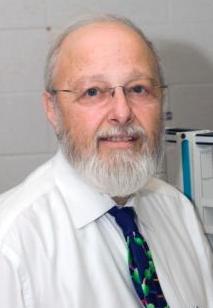
Michael A. Tainsky, PhD is a Professor of Molecular Medicine and Genetics and of Oncology and Pathology at Wayne State University School of Medicine, affiliated with the Karmanos Cancer Institute in Detroit, Michigan. His research focuses on understanding the molecular and cellular mechanisms underlying cancer development, particularly in hereditary cancer syndromes.
Dr. Tainsky's research interests center on genomic instability, molecular mechanisms of carcinogenesis, and development of novel cancer diagnostics for genetically predisposed populations. His laboratory employs in vitro human cell models to study spontaneous genomic instability, immortalization in familial cancer patients, and transcriptional mechanisms that drive phenotypic changes in cancer cells. His work spans ovarian cancer, breast cancer, and neurofibromatosis type 1-related malignancies, with emphasis on identifying biomarkers for early detection and risk assessment.
Analysis of Dr. Tainsky's recent publications reveals a strong focus on hereditary cancer syndromes, particularly in ovarian and breast cancer. His research consistently explores genomic instability, DNA repair mechanisms, and the development of diagnostic biomarkers. A significant portion of his work examines the functional consequences of genetic variants in genes like CHEK2, ATM, BRCA-like genes, and NF1, with emphasis on understanding missing heritability in cancer predisposition. His publications demonstrate a transition from basic molecular mechanisms to clinical applications, particularly in cancer diagnostics.
Dr. Tainsky is currently not accepting new M.S. or Ph.D. students for the 2024-2025 academic year. His laboratory has produced extensive research on cancer biomarkers, particularly focusing on autoantibody detection for early cancer diagnosis and surveillance. His work spans multiple cancer types with strong emphasis on hereditary cancer syndromes.
Dr. Tainsky's laboratory operates within the Karmanos Cancer Institute, focusing on translational research that bridges basic molecular discoveries with clinical cancer applications. His team employs advanced genomic and proteomic approaches to identify and validate cancer biomarkers, with particular expertise in analyzing germline variants and their functional consequences in cancer predisposition.