معرفی
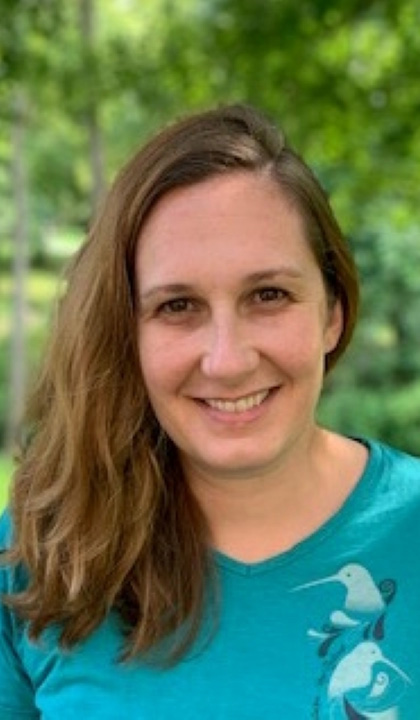
Mia Maltz serves as Assistant Professor of Microbial Ecology and Soil Health within the Department of Plant Science and Landscape Architecture at the University of Connecticut's College of Agriculture, Health and Natural Resources. Her research bridges community ecology, biogeography, and mycology to investigate how microbial communities respond to environmental disturbances and influence ecosystem recovery.
Her educational background includes a Ph.D. in Ecology and Evolutionary Biology from the University of California, Irvine, with emphasis on Ecological Restoration and Fungi, where her dissertation examined fungal community responses to ecosystem degradation under Kathleen Treseder. This was followed by a UC President's Postdoctoral Fellowship (2020-2023) in the Division of Biomedical Sciences at UC Riverside.
Research interests focus on three interconnected domains:
- Microbial mediation of ecological restoration in disturbed ecosystems (post-fire sites, brownfields, urban yards), examining plant-fungal extraction of heavy metals and organic pollutant remediation
- Fungal conservation of amphibians and reptiles, investigating Desert Tortoise interactions with biological soil crusts and herpetofaunal responses to invasive species
- Dispersal of airborne fungi from drying lakebeds and eroding landscapes, assessing impacts on air quality and pulmonary health
Her publication record (2022-2025) reveals strong thematic continuity in soil fungal ecology across diverse disturbance regimes, with increasing emphasis on human health connections through dust microbiome research. Key trends include the interplay between microbial community structure and ecosystem function in restoration contexts, cross-ecosystem comparisons (subtropical forests, pumice plains, urban sites), and methodological integration of field ecology with pulmonary immunology.
Maltz Lab actively recruits graduate students for projects spanning soil remediation techniques, fungal conservation strategies, and dust mitigation approaches. Current work emphasizes developing low-impact methods for reducing airborne pathogen burdens while documenting microbial responses to novel ecosystems like the Salton Sea basin.
The laboratory operates at the intersection of environmental microbiology and practical conservation, maintaining field sites across California and Connecticut while collaborating with medical researchers on pulmonary health implications of environmental dust exposure.