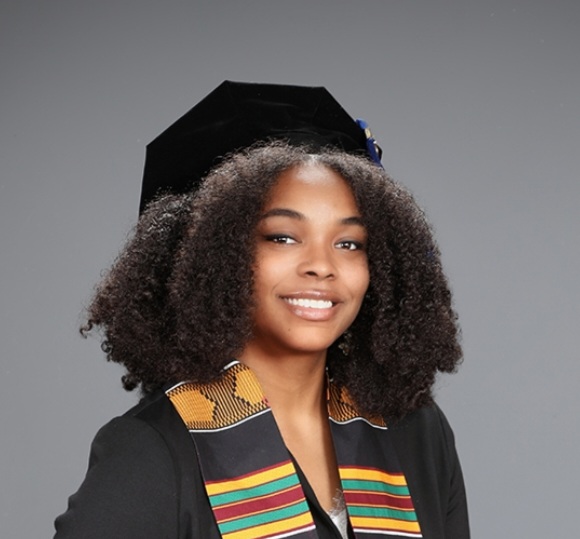
معرفی
Mercedez Dunn-Gallier serves as an Assistant Professor in the Department of Sociology, Anthropology, and Public Health at the University of Maryland, Baltimore County (UMBC), where she teaches core sociology courses including SOCY 101 and specialized seminars like SOCY 397: The Body & Society across multiple semesters through Fall 2024.
Her academic credentials include:
- Ph.D. in Sociology, University of Michigan (2021)
- M.A. in Sociology, University of Michigan (2017)
- M.P.H. in Public Health, University of Michigan (2016)
- B.A. in Sociology, Spelman College (2013)
Dunn-Gallier's research establishes her as a leading voice in Black feminist sociology, specifically examining how Black women navigate heterosexuality, respectability politics, and sexual health within Historically Black Colleges and Universities (HBCUs). Through rigorous qualitative methodologies, she investigates racialized gender identity formation, peer sexual advice networks, and the strategic negotiations Black women employ to balance societal expectations with personal agency in collegiate environments. Her work critically engages with how institutional contexts shape sexual health outcomes and identity performance among young Black women.
Analysis of her publication trajectory reveals consistent thematic focus on Black women's lived experiences across educational and healthcare settings. From her early work on urban displacement in Atlanta to recent studies of HBCU sexual cultures, she demonstrates methodological versatility while maintaining sharp intersectional analysis. Her scholarship bridges sociology, public health, and gender studies by exposing how systemic racism and sexism manifest in intimate relationships and institutional policies affecting Black women's wellbeing.
Currently leading the multi-year research initiative "Books & Boys: Black Women's Collegiate Heterosexual Practice & Racialized Gender Identity" (2023-2040), Dunn-Gallier collaborates with scholars including Kendal Howell, Aanayah Trotman, and Don McCray to document how reading practices intersect with dating behaviors among HBCU students. This project exemplifies her commitment to generating knowledge that centers Black women's voices while advancing theoretical frameworks in feminist sociology.