معرفی
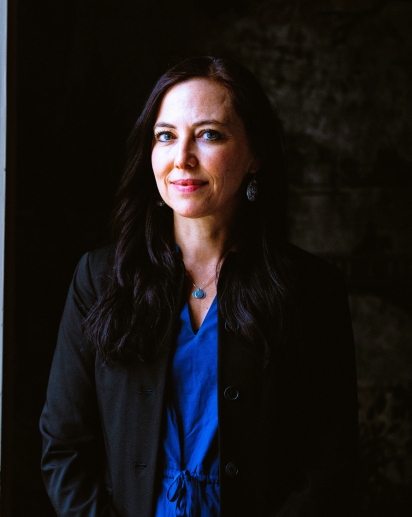
Melanie B. Taylor is a Professor of English & Creative Writing and Professor of Native American Studies at Dartmouth College, where she also serves as House Professor at North Park House. Her work bridges literary scholarship, cultural critique, and interdisciplinary inquiry into Native American and U.S. Southern literatures.
Education:
- B.A., Smith College
- M.A., Boston University
- Ph.D., Boston University
Her research centers on 20th and 21st-century American literature with a focus on Native American and Southern cultural expressions. She explores critical themes such as indigeneity, settler colonialism, racial capitalism, the economics of identity, and the intersection of literature with the Anthropocene. Her scholarship engages deeply with postcolonial theory, cultural studies, and modernist traditions, particularly in relation to marginalized voices.
Her recent publications—from 2019 to 2025—reveal a sustained scholarly trajectory examining the Native South through ecological, economic, and posthumanist lenses. She frequently publishes in top-tier journals like PMLA and with leading academic presses including Cambridge, Oxford, and the University of Georgia Press. Her work increasingly addresses the Anthropocene, modernism, and indigenous futurity, reflecting a shift toward theoretical and environmental frameworks in literary studies.
Scientific and Editorial Contributions:
- Author of The Indian in American Southern Literature (2020)
- Author of Reconstructing the Native South (2012)
- Editor, The Cambridge History of Native American Literature (2020)
- Editor, forthcoming Cambridge Companion to Native American Poetry
- Editor, Norton Critical Edition of William Faulkner's Light in August (2023)
Melanie B. Taylor is an active advisor and mentor in her field, evidenced by her co-edited volume I Am Where I Come From, which amplifies Native student voices. She has secured editorial roles in major scholarly projects and leads conversations on decolonizing knowledge and representation. Her work with special issues of Native South and contributions to interdisciplinary forums indicate leadership in shaping contemporary discourse.
She is affiliated with intellectual communities focused on Southern studies, Native American literature, and critical theory. Her collaborative projects, especially with Eric Gary Anderson, suggest active participation in research teams and scholarly networks. She continues to contribute foundational work in the emerging field of Indigenous ecocriticism and the literary Anthropocene.