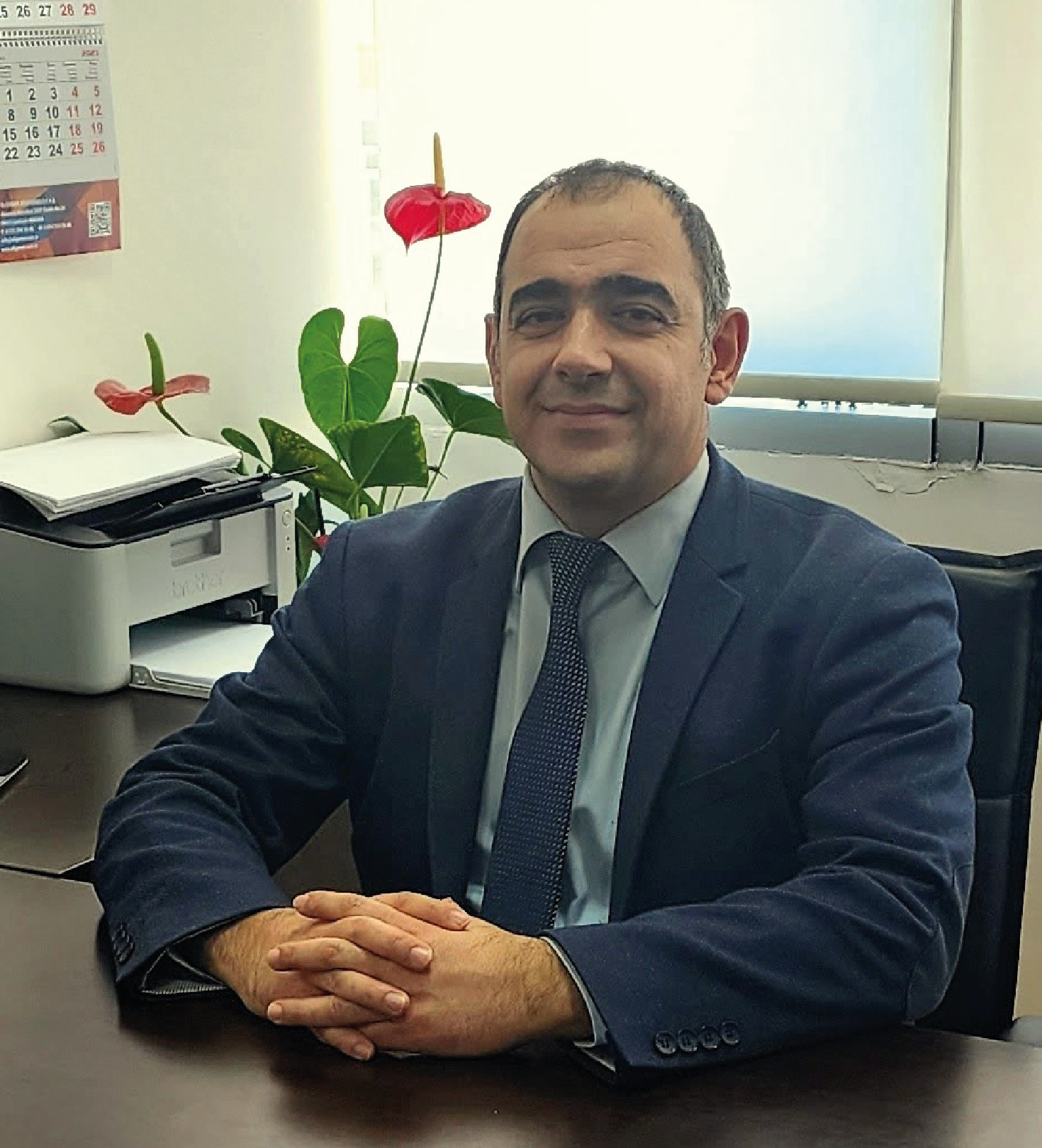
معرفی
Professor Mehmet Cengiz BALOĞLU is a distinguished academic at Kastamonu University's Faculty of Engineering and Architecture, Department of Genetics and Bioengineering. With over 20 years of academic experience, he has held progressive positions from Research Assistant to full Professor, specializing in plant molecular biology and bioinformatics.
- Current Position: Professor (2021-present)
- Previous Ranks: Associate Professor (2015-2021), Assistant Professor (2013-2015)
- University Affiliation: Kastamonu University since 2011
- Research Leadership: Principal Investigator on 39+ research projects
His research focuses on plant stress response mechanisms, particularly heat shock proteins in various species under abiotic stresses. BALOĞLU has established a robust research program examining molecular responses to drought, salinity, and temperature extremes in economically important crops like wheat, cucumber, and sugar beet. His work integrates cutting-edge genomic and bioinformatic approaches to understand stress tolerance mechanisms at the molecular level.
Publication trends reveal consistent output with 237 total publications, including 99 Google Scholar-indexed works showing significant impact (h-index 27). Recent publications demonstrate strong focus on genome-wide analyses of stress-responsive genes, particularly heat shock proteins and transcription factors across multiple plant species. His work bridges fundamental molecular biology with agricultural applications, addressing food security challenges through crop improvement research.
As an advisor, he has successfully supervised 22 graduate students across Master's and Doctoral programs, with thesis topics centered on plant stress biology, bioinformatics, and molecular characterization of stress-responsive genes. His research program has attracted substantial funding through TUBITAK and university-based projects, particularly in the areas of drought tolerance and genome editing technologies.
His laboratory maintains active collaborations across multiple institutions, with research spanning from basic molecular characterization to applied agricultural solutions. Current projects include CRISPR-based genome editing for stress tolerance and comprehensive characterization of plant stress response networks.