معرفی
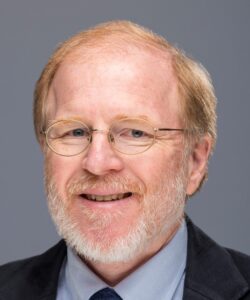
Mehdi Tajvidi serves as Associate Professor of Renewable Nanomaterials and Director of the Laboratory of Renewable Nanomaterials (LRN) at the School of Forest Resources, College of Natural Sciences, Forestry and Agriculture, University of Maine. He holds cooperating appointments at the Advanced Structures and Composites Center and Forest Bioproducts Research Institute, and is a member of the Paper Surface Science Program. His work bridges academic research with industrial applications in sustainable materials.
His educational qualifications include:
- Ph.D. in Natural Resources Engineering, University of Tehran (2003)
- M.Sc. in Natural Resources Engineering, University of Tehran (1998)
- B.Sc. in Natural Resources Engineering, University of Tehran (1996)
Tajvidi specializes in renewable nanomaterials with emphasis on cellulose nanomaterials and their composites. His research investigates mechanical properties, structure-property relationships, viscoelastic behavior, and dynamic mechanical analysis. Core applications target high-volume sustainable products including coatings, packaging (notably PFAS-free food containers), and building materials. His work integrates nanoscale material science with practical industrial solutions for environmental sustainability.
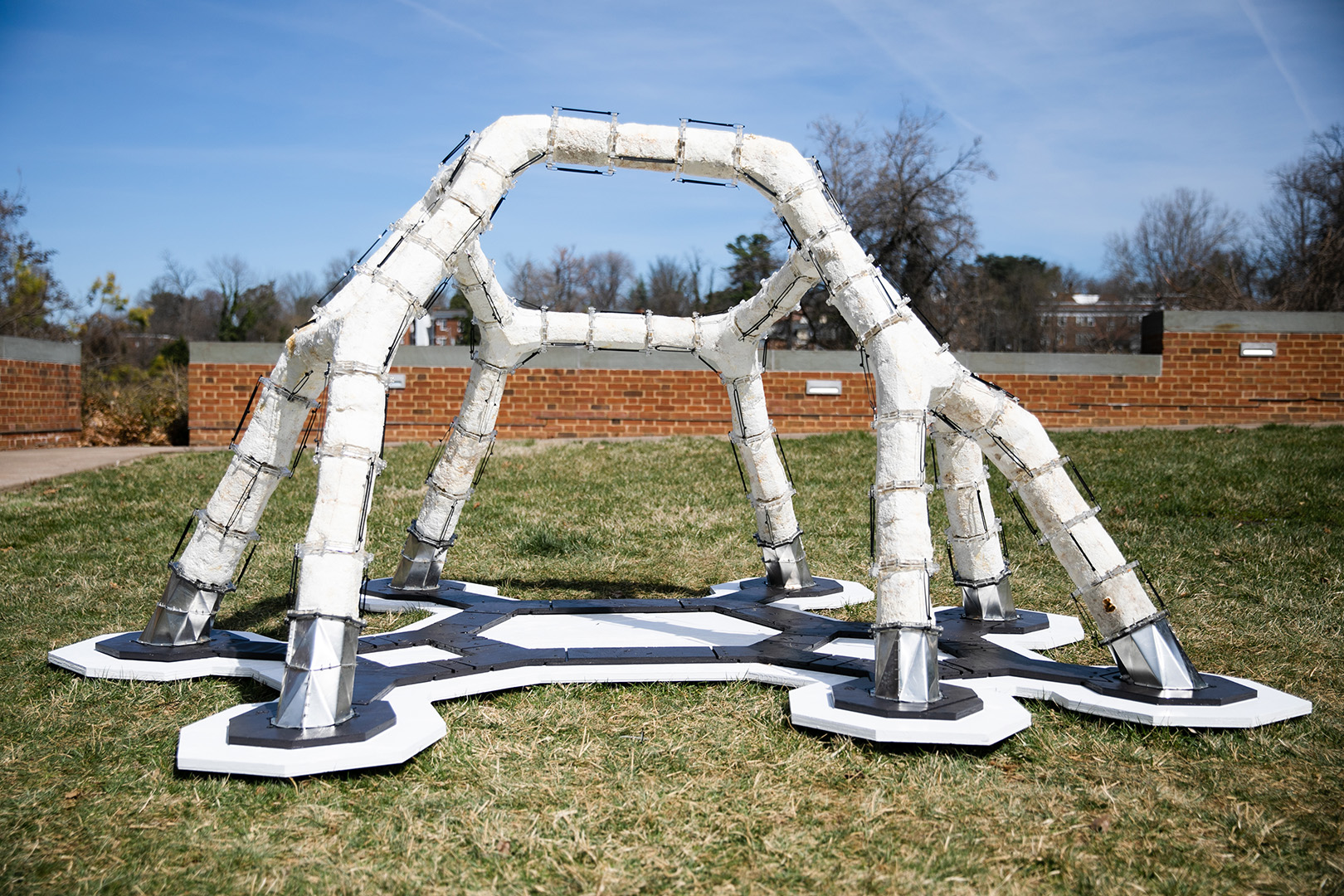
Analysis of his recent publications reveals dominant trends in sustainable packaging solutions using cellulose nanofibrils (CNF), with significant expansion into mycelium-based composites for insulation and structural applications. Key thematic areas include heavy metal filtration, 3D printing feedstocks, and moisture-resistant barrier technologies. His research increasingly addresses circular economy challenges through recyclable composites and waste-derived materials.
His scientific recognition includes:
- Japan Society for the Promotion of Science (JSPS) award (2007)
Tajvidi has mentored over 50 graduate students and postdocs across diverse projects including nanocellulose filters, mycelium-CNF composites, and renewable packaging. His research receives support from the Maine Agricultural and Forest Experiment Station, Advanced Structures & Composites Center, and McIntire-Stennis project ME042120. Current funding focuses on expanding cellulose nanomaterials into nonconventional markets through pilot-scale production and property enhancement.
The Laboratory of Renewable Nanomaterials (LRN) under his direction drives innovation in cellulose nanomaterial applications, collaborating with industry partners and university centers to transition lab-scale discoveries into commercial products for construction, packaging, and environmental remediation sectors.