معرفی
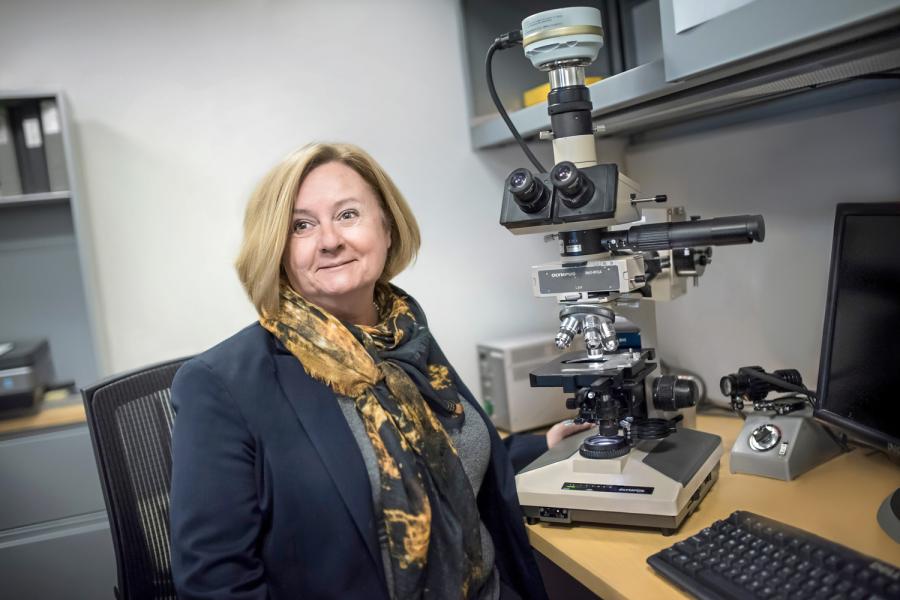
Maya Opendak, PhD, is an Assistant Professor of Neuroscience at the Kennedy Krieger Institute in Baltimore, MD. Her research focuses on the neural circuits that underlie social behavior in developing organisms, particularly in infant rodent models. She investigates how early-life adversity, such as abusive caregiving or social hierarchy disruption, alters brain development and leads to long-term behavioral consequences. Her lab is actively involved in advancing techniques like optogenetics and in vivo electrophysiology for use in neonatal animals.
Her primary research interests include:
- Systems, Cognitive, and Computational Neuroscience
- Neural Circuits, Ensembles, and Connectomes
- Neurobiology of Disease
- Developmental Neuroscience
- Social Behavior and Early-Life Stress
The recent publications from Dr. Opendak’s lab demonstrate a strong focus on the developmental transitions of neural circuits governing social behavior. Her work spans molecular to systems-level neuroscience, with an emphasis on how early experiences shape brain function. Key themes include the role of the amygdala and lateral habenula in social transitions, the impact of social history on neuroscience research, and modeling early adversity to identify clinical biomarkers. The research integrates behavioral analysis with cutting-edge neurobiological tools.
Scientific contributions and recognitions:
- No specific awards listed in the provided text.
Dr. Opendak advises a multidisciplinary team of researchers and students, fostering collaborations with developmental psychologists and clinicians to enhance the translational relevance of her findings. Her lab includes postdoctoral fellows and graduate trainees actively contributing to high-impact neuroscience research. While no external grants are explicitly mentioned, her innovative work suggests active funding support.
Laboratory and team:
- Lab located at Kennedy Krieger Institute, Room 400R
- Active research team including postdoctoral fellow Cesar Medina, PhD
- Collaborative environment integrating neurobiology, behavior, and clinical insights