معرفی
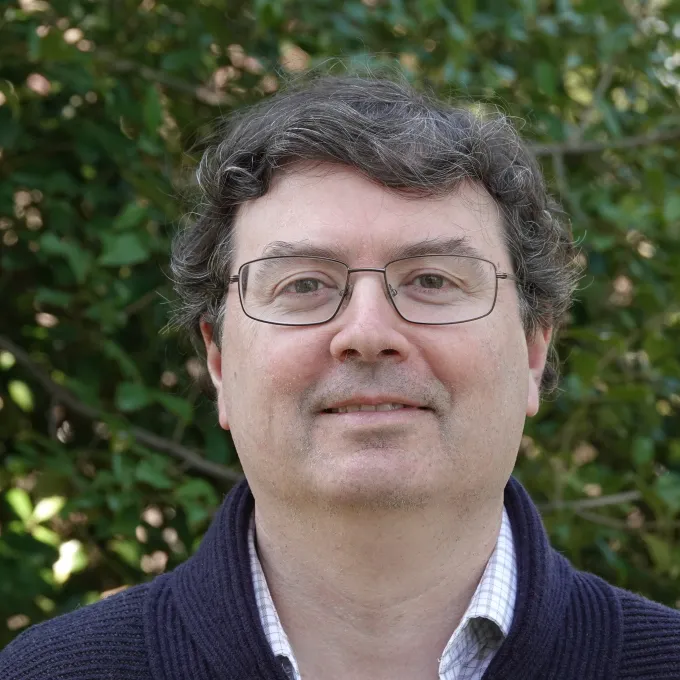
Matthias Steup is a Professor in the Department of Philosophy at the University of Colorado, Boulder, where he has been teaching since July 2016. He previously served as Department Head at Purdue University (2008–2016) and has held academic positions at Grinnell College, the University of Wyoming, and St. Cloud State University. He earned his PhD from Brown University in 1985.
- PhD, Brown University, 1985
His research is centered in epistemology, with a focus on skepticism, perceptual justification, doxastic voluntarism, evidentialism, and foundationalism. He explores questions about the nature of justification, the structure of knowledge, and whether we have voluntary control over our beliefs. His work critically engages with views such as dogmatism, coherentism, and infinitism, particularly in the context of epistemic dilemmas and higher-order evidence.
His recent publications reflect a sustained engagement with central debates in contemporary epistemology. He has co-edited and contributed to influential volumes such as Contemporary Debates in Epistemology, Epistemic Dilemmas, and Seemings: New Arguments, New Angles. His articles examine topics like easy knowledge, meta-justification, and the epistemic role of seemings, often challenging or refining dominant theories in the field.
- Evidentialism: Explores the idea that justification depends solely on evidence.
- Perceptual Justification: Investigates how perceptual experiences justify beliefs.
- Epistemic Dilemmas: Questions whether agents can be caught in situations where they must violate epistemic norms.
- Doxastic Voluntarism: Examines whether belief is under voluntary control.
While no specific awards or grants are listed in the provided texts, his editorial leadership and frequent contributions to top-tier philosophical discussions indicate significant scholarly recognition. He has advised or collaborated with numerous philosophers and has been instrumental in shaping contemporary discourse in epistemology.
Though details about students, labs, or research teams are not available, his extensive publication record and editorial roles suggest active mentorship and collaboration within the philosophical community.