معرفی
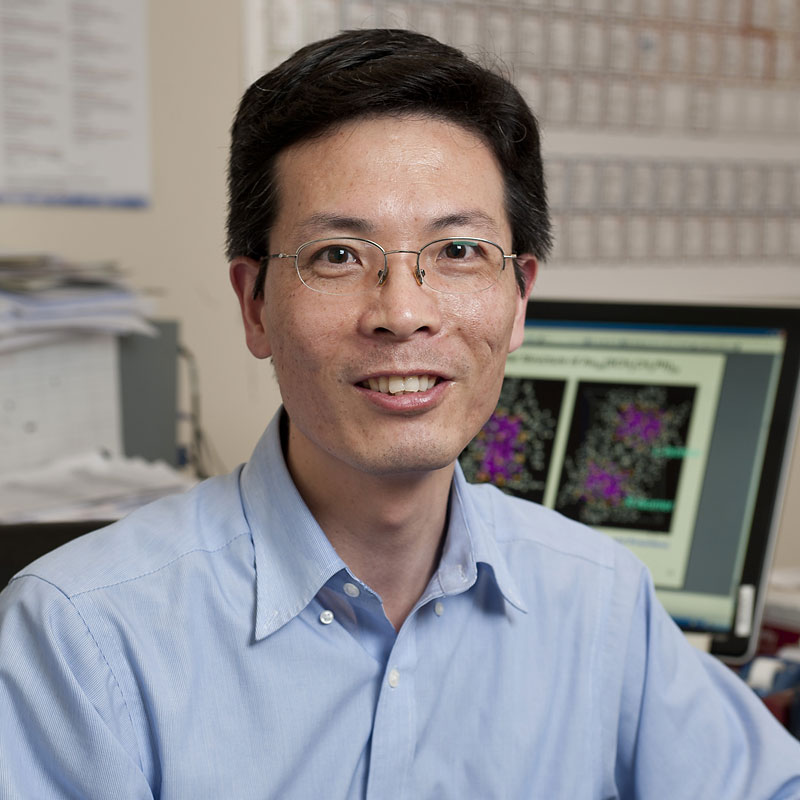
Matthias Selke is a Professor in the Department of Chemistry and Biochemistry at California State University, Los Angeles, where he has held faculty positions since 1998 (progressing from Assistant to Full Professor). His laboratory focuses on the chemistry of reactive oxygen species, particularly singlet oxygen, with applications in photodynamic therapy, nanomaterials, and oxidation mechanisms.
Education:
- B.S. (Magna Cum Laude), University of Southern California (1990)
- Ph.D. in Organic Chemistry, UCLA (1995)
- Postdoctoral Research Associate in Bioinorganic Chemistry, UCLA (1995-1998)
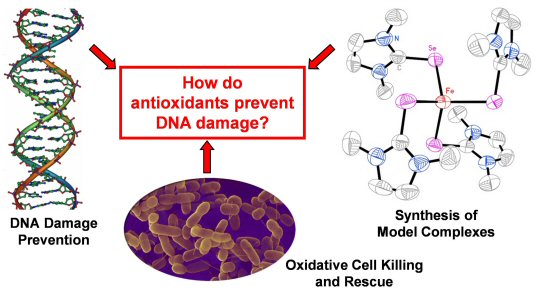
Research Interests: Dr. Selke investigates singlet oxygen generation using non-porphyrin sensitizers, quantum dot hybrids, and nanoparticles. His work explores oxidation pathways of heteroatoms (e.g., phosphorus/sulfur), metal-thiolate complexes, and antioxidants like resveratrol. Mechanistic studies employ kinetics, low-temperature spectroscopy, and intermediate trapping. Applications span cancer theranostics, Alzheimer's imaging, and antimicrobial strategies.
Publication Trends: Recent articles emphasize nanomaterial-enabled singlet oxygen applications, including metal-organic frameworks for phototherapy, biosynthesized nanoclusters for bioimaging, and inorganic complexes for targeted oxidation. Interdisciplinary themes connect photochemistry, materials science, and biomedicine.
Awards:
- Dreyfus Start-up Award (1998)
- Research Corp Cottrell Award (1999)
- Siemens Mentor Recognition Award (2001, 2004)
- Henry Dreyfus Teacher-Scholar Award (2004)
- CSULA Outstanding Professor Award (2013)
Advising & Service: He mentors graduate/undergraduate researchers in the Selke Group, focusing on photochemical mechanisms. Service includes Graduate Studies Committee membership, Departmental Honors Program advisement, and faculty sponsorship for student organizations.
Laboratory: Leads an active research team studying singlet oxygen chemistry, with current projects on zeolite/MOF-based oxygen delivery, resveratrol derivatives, and metal-cluster photophysics. Equipment includes time-resolved near-IR detection for singlet oxygen luminescence.