معرفی
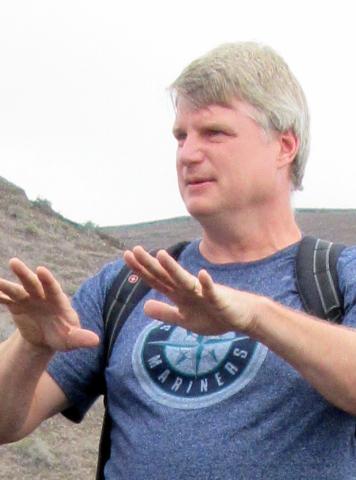
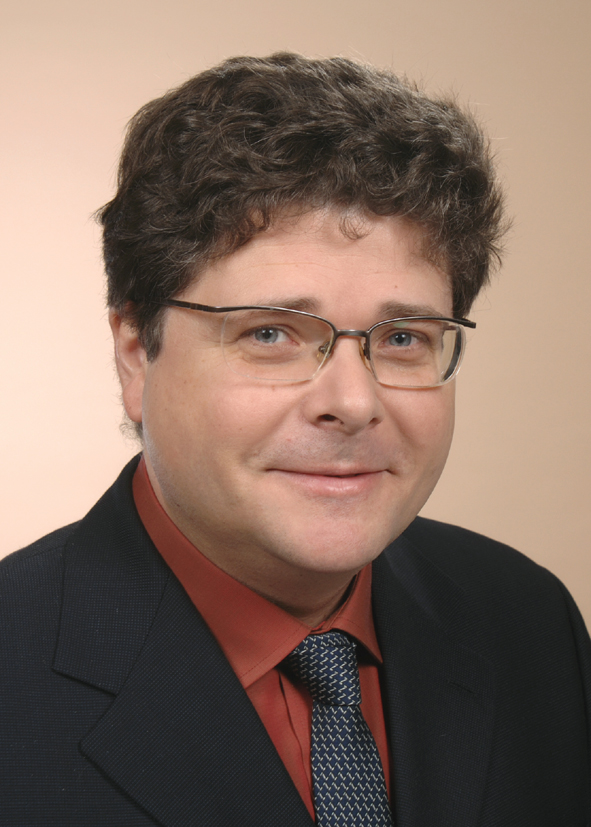
Matthew Saltzman serves as a Professor in the Division of Earth History within the School of Earth Sciences at The Ohio State University. His office is located in Orton Hall 215, with contact details including email saltzman.11@osu.edu and phone (614) 292-0481. Dr. Saltzman's research focuses on reconstructing Earth's historical climate dynamics and biotic events through geochemical analysis of sedimentary records spanning half a billion years.
His educational background includes:
- Ph.D. in Geology from the University of California, Los Angeles (1996)
Specializing in Sedimentary Geology and Geochemistry, Professor Saltzman investigates carbon cycle dynamics through stable isotope analysis (δ13C, Sr, Nd) in sedimentary rocks. Current research examines the Late Ordovician glaciation in North America and Permian-Triassic mass extinction in Antarctica/Great Basin, with emphasis on organic matter burial rates and continental weathering processes. His work integrates field studies with laboratory analyses of carbonates and organic matter to decode paleoenvironmental conditions during critical Earth system transitions.
Analysis of recent publications (2023-2025) reveals consistent focus on isotope stratigraphy across Paleozoic periods, particularly carbon isotope excursions linked to global cooling, ocean oxygenation events, and mass extinctions. A recurring theme examines the interplay between silicate weathering, volcanic degassing, and climate regulation, with increasing attention to diagenetic effects on isotopic records through paired isotope systems (Ca-C, Sr-Nd).
No scientific awards are documented in the available information.
Details regarding student advising and research grants are not specified in the provided materials, though his extensive publication record suggests active mentorship and funded research programs.
Dr. Saltzman leads a research group conducting fieldwork in Antarctica, the Great Basin, and Appalachian Basin, utilizing multi-proxy approaches to investigate paleoclimate-biota interactions during Earth's major evolutionary transitions.