معرفی
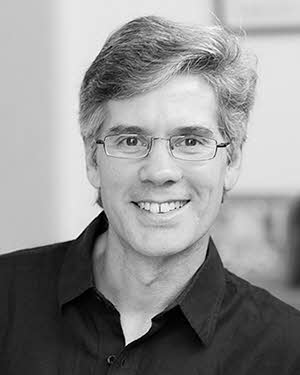
Matthew Hill is Professor of Music and Chair of the Department of Music at Goshen College, teaching piano, chamber music, and music history while maintaining an active performance career. His scholarly identity centers on intersections of music, theology, and silence, with special focus on Olivier Messiaen and Franz Liszt.
His educational background includes a DMA in Piano Performance from the University of Wisconsin-Madison (1995) with dissertation 'Messiaen’s Regard du Silence as an Expression of Catholic Faith,' an MM from the University of Kansas (1989), and a BM from Missouri State University (1987) earned summa cum laude. Principal teachers included Howard Karp, Richard Angeletti, and Claude Frank.
Hill's research explores theological dimensions of musical silence, monastic spirituality in performance practice, and synesthetic connections between sound and color. His work demonstrates how composers like Messiaen (who experienced sound-color synesthesia) and Liszt used musical structures to convey spiritual narratives, particularly through programmatic elements in works like 'Les jeux d'eaux à la Villa d'Este' and Messiaen's 'Regard du silence.'
His publication trajectory reveals consistent engagement with hermeneutics of sacred music across 20+ years, evolving from early analyses of Monteverdi to contemporary studies of Messiaen's theological frameworks. The recurring theme is music's capacity to function as 'liturgy for the concert hall' through intentional connections between auditory experience, visual imagery, and spiritual meaning.
While no major external awards are documented, Hill received a faculty renewal grant supporting his 'Hearing and Seeing' recital program exploring faith-color-music connections. His scholarly impact is evidenced through presentations at national conferences including MTNA and Indiana Music Teachers Association events.
As an advisor, Hill has guided students to competition successes and graduate placements at Westminster Conservatory, University of Wisconsin-Madison, Indiana University, Cleveland Institute of Music, and other leading institutions. His teaching philosophy emphasizes technical refinement alongside 'interpretation that is consistent and logical' and 'a sense of vision for any given work,' viewing music as catalyst for 'understanding, beauty, and grace.'