معرفی
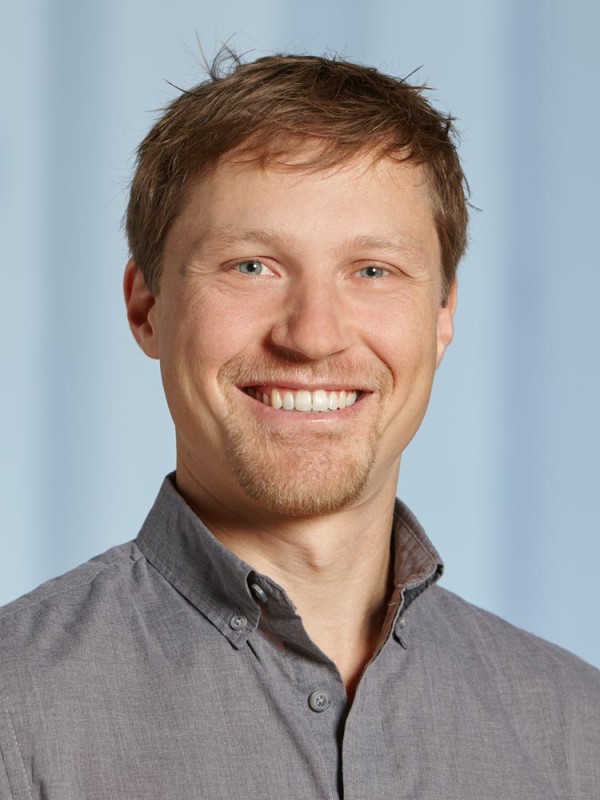
Matthew C. Good is an Associate Professor of Cell and Developmental Biology at the University of Pennsylvania's Perelman School of Medicine. He holds multiple prestigious affiliations including as a Faculty Member at the Pennsylvania Muscle Institute, Member of the Epigenetics: Spatial/Architectural Interest Group, Faculty Member at the Institute for Regenerative Medicine, and Core Investigator at the Penn Center for Genomic Integrity. His interdisciplinary research bridges cell biology, developmental biology, and synthetic biology to address fundamental questions about cellular organization and function.
- BA in Biochemistry from University of California, Berkeley (2003)
- PhD in Biochemistry from University of California, San Francisco (2010)
Dr. Good's research program centers on four interconnected areas: membraneless organelles and protein condensation, the unique cell biology of early embryo development, synthetic biology approaches to engineer cellular behavior, and cell size regulation in health and disease. His work on subcellular compartmentalization has uncovered fundamental rules governing how disordered proteins and RNAs form mesoscale assemblies like stress granules and germ granules. In developmental biology, he investigates functional adaptations to cell size variation during embryogenesis and mechanisms regulating zygotic genome activation.
Analysis of Dr. Good's recent publications reveals a cohesive research trajectory focused on understanding the physical principles governing biomolecular condensation and their application in developmental systems. His work bridges fundamental biophysics with developmental biology, particularly in understanding how cell size influences developmental processes. The publications show an increasing emphasis on synthetic approaches to manipulate cellular behavior through engineered membraneless organelles, with significant contributions to understanding zygotic genome activation patterns across different species.
Dr. Good leads the Good Lab, which is physically located in the Biomedical Research Building (BRB) at the Perelman School of Medicine. His team develops innovative approaches including construction of cell-like compartments ('synthetic cells'), designer biomolecular condensates, and optochemical/optogenetic tools. The lab employs techniques ranging from advanced microscopy and microfluidics to protein engineering and synthetic biology to investigate fundamental questions in cell and developmental biology with implications for understanding aging, cancer, and potential therapeutic applications.