معرفی
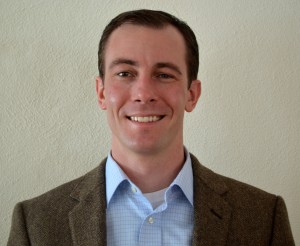
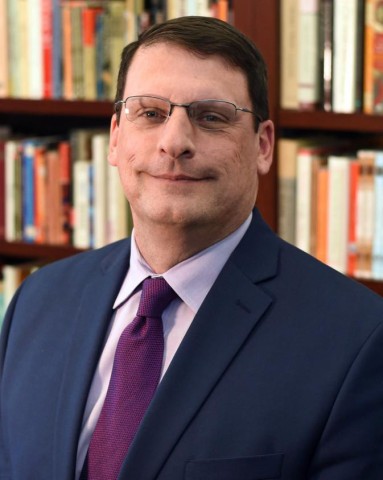
Matt Seybold serves as Associate Professor of American Literature & Mark Twain Studies within the Division of Creative Arts & Humanities at Elmira College. He is a prominent scholar at the intersection of literary studies and economic theory, with particular expertise in Mark Twain's works and their contemporary relevance to financial systems.
His educational background includes studies at Washington University in St. Louis and the University of California: Irvine. Prior to his current position, he worked as a Visiting Instructor at The University of Alabama from August 2013 to July 2015.
Dr. Seybold's research explores how literary texts engage with economic concepts and how financial systems shape cultural production. His interdisciplinary approach combines literary analysis with economic theory, creating a distinctive perspective that bridges humanities and social sciences. His work demonstrates how American literary traditions, particularly Mark Twain's writings, illuminate complex economic phenomena and historical financial systems.
His scholarship reveals consistent analytical threads examining the relationship between literature and economics, with publications spanning from analyses of contemporary financial culture to historical examinations of economic thought in American literature. Seybold's work shows particular interest in how Mark Twain's critiques of Gilded Age economics remain relevant to understanding modern financial systems.
- Co-edited special issue of American Literary History on 'Economics & American Literary Studies in the New Gilded Age' (2020)
- Co-edited 'The Routledge Companion to Literature & Economics' (2018)
- Author of influential articles including 'Barnum Presidents & Benevolent Monopolists: Mark Twain, Amazon, & The Futility of Antitrust' and 'The Financial World & The Magical Elixir of Confidence'
As a key contributor to the Center for Mark Twain Studies, Seybold designed and maintains the MarkTwainStudies.org website, significantly expanding global access to Twain scholarship. His public engagement through platforms like the Los Angeles Review of Books demonstrates his commitment to making academic research accessible to broader audiences while maintaining scholarly rigor.