معرفی
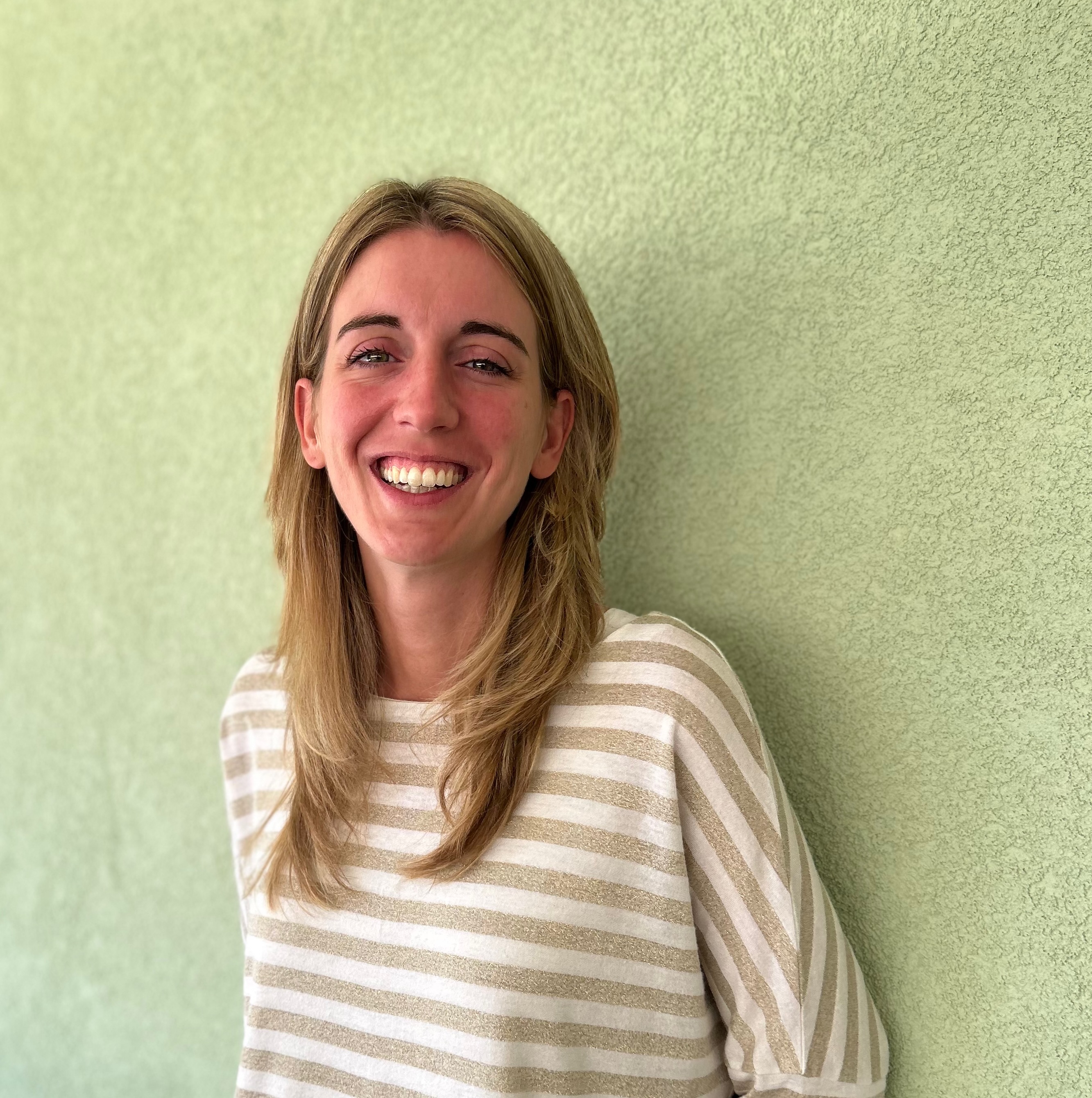
Matilda Baraibar Norberg is an Associate Professor of Economic History at Stockholm University's Department of Economic History and International Relations. Her research adopts a historically informed political economy approach to study agrarian change, international food systems, and sustainability, with particular focus on understanding the interplay of international agrofood trade, technological shifts, and institutional arrangements across different territorial scales.
Dr. Baraibar's research centers on the political economy of agriculture and world history, with special expertise in Latin American agrarian systems and the historical development of global food commodity chains. Her work explores how historical processes shape contemporary food systems, particularly examining the soybean's journey from ancient China to its current status as a major driver of deforestation in the Amazon. She investigates how global market forces interact with historically formed institutions to produce varying capacities of state autonomy in the era of agrofood globalization.
Her publication record reveals a consistent focus on sustainable food systems, with particular attention to the social-ecological consequences of agricultural intensification. The trajectory of her work shows increasing engagement with interdisciplinary approaches that bridge economic history, political economy, and sustainability science, particularly through her involvement with the Stockholm Resilience Centre and the SARAS Institute.
- Teacher of the Year 2021, Stockholm University
- Award for Good Teaching 2021, Stockholm University
Dr. Baraibar has supervised 16 graduate theses and 17 MA-theses across Economic History and International Relations. She currently serves as main supervisor for Enrique Mejía (doctoral student in economic history) and assistant supervisor for Jorge Rodriguez Morales (doctoral student in international relations). Her research is funded by the Swedish Research Council (project number 2018-02051), the Jan Wallander and Tom Hedelius Foundation, and the Tore Browaldh Foundation (project number P20-0258), where she serves as Principal Investigator. She also serves on the Advisory Board for the South American Institute for Resilience and Sustainability Studies (SARAS institute) and has completed significant work for the UN Food and Agriculture Organization on governance and agroecology in Latin America.