معرفی
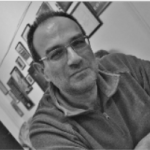
Matala Antonia-Lida serves as Professor of Nutritional Anthropology in the Department of Nutrition and Dietetics at Harokopio University of Athens, where she has established herself as a leading scholar on Mediterranean dietary traditions through rigorous historical and cultural analysis.
Her academic foundation includes:
- Bachelor's degree in Chemistry, Aristotle University of Thessaloniki (1985)
- Doctorate in Nutrition, University of California, Davis (1993)
Professor Matala's research program investigates the cultural ecology of nutrition with three interconnected pillars: the historical evolution of Mediterranean dietary patterns, the symbiotic relationship between culture and food practices, and the ecological context of traditional diets. Her groundbreaking work reconstructs pre-World War II Greek foodways through archival analysis and cross-generational studies, revealing stark rural-urban disparities and resilience strategies during famines. This anthropological lens exposes how foods like chocolate transformed from neuroceuticals to contested substances within Greek cultural frameworks.
Analysis of her 10+ publications (1999-2009) shows consistent methodological innovation blending historical epidemiology with cultural theory. Key thematic clusters include historical diet reconstruction (60% of works), intergenerational nutrition transmission (25%), and cultural reinterpretation of foods (15%). Her CYKIDS study demonstrates how parental dietary beliefs propagate through families, while famine research documents extraordinary food substitution practices during Athens' occupation.
Prospective students benefit from Professor Matala's active supervision of graduate theses and access to unique Mediterranean dietary archives. She maintains close ties with UC Davis (her doctoral institution) and Cypriot health authorities through ongoing CYKIDS collaborations. Current projects focus on climate change impacts on traditional food systems and digital preservation of endangered Greek culinary heritage, with funding secured through Greek research councils and EU cultural programs.
While no dedicated laboratory is maintained, research utilizes the department's nutritional anthropology resource center and collaborates with Harokopio's Exercise Physiology Lab for biochemical analyses as seen in the ultramarathon antioxidant study.