معرفی
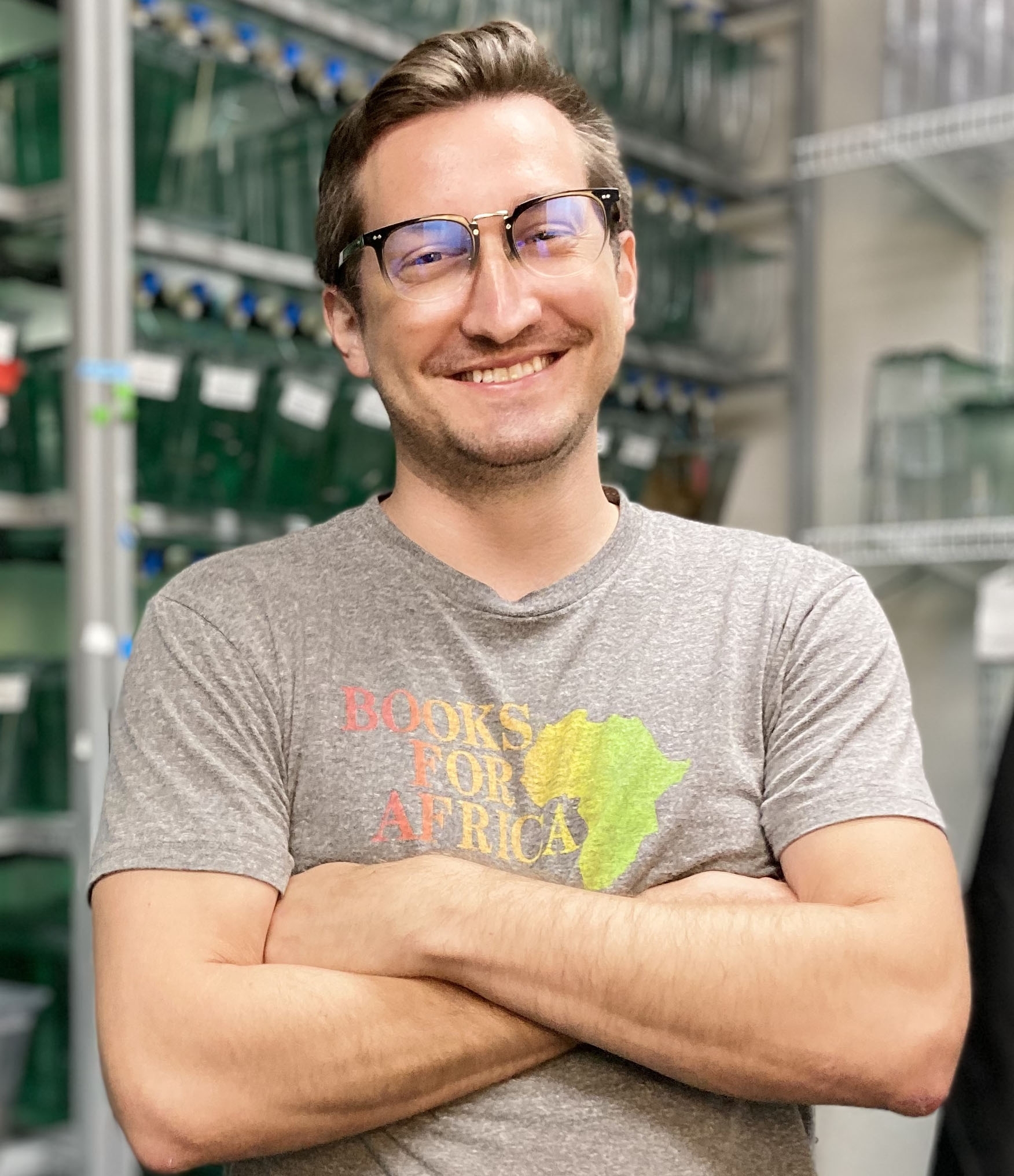
Dr. Masato Yoshizawa is a Professor in the School of Life Sciences at the University of Hawaiʻi at Mānoa. He leads a research lab focused on evolutionary mechanisms underlying sensory systems and adaptive behavior in animals, particularly using the Mexican tetra cavefish as a model. His work integrates genomic, developmental, and neurobiological approaches to study how environmental pressures drive evolutionary changes in morphology, physiology, and behavior.
Research interests include the evolution of non-visual sensory systems (e.g., mechanosensory neuromasts, olfactory systems), behavioral adaptations to food-scarce environments, and links between cavefish traits and human conditions like autism. His team uses advanced techniques such as Next-Gen sequencing, genome editing, metabolomics, and behavioral assays. Recent projects highlight the role of ketosis in social behavior modulation and the genetic basis of laterality in sensory systems.
Current and former students include Emma Doy, Abigail Martínez, and Lillian J. Tuttle Raz. The lab is funded by NIH COBRE grants and collaborates on initiatives like the ICEMHH program. Notable findings include the discovery of behavioral parallels between cavefish and autism-risk genes, and the identification of genomic regions controlling cavefish-specific traits.
Key research themes involve understanding how cave environments select for enhanced sensory modalities, altered metabolic pathways, and novel foraging strategies. The lab’s work bridges evolutionary biology, neurobiology, and ecology, with implications for both basic science and biomedical applications.