معرفی
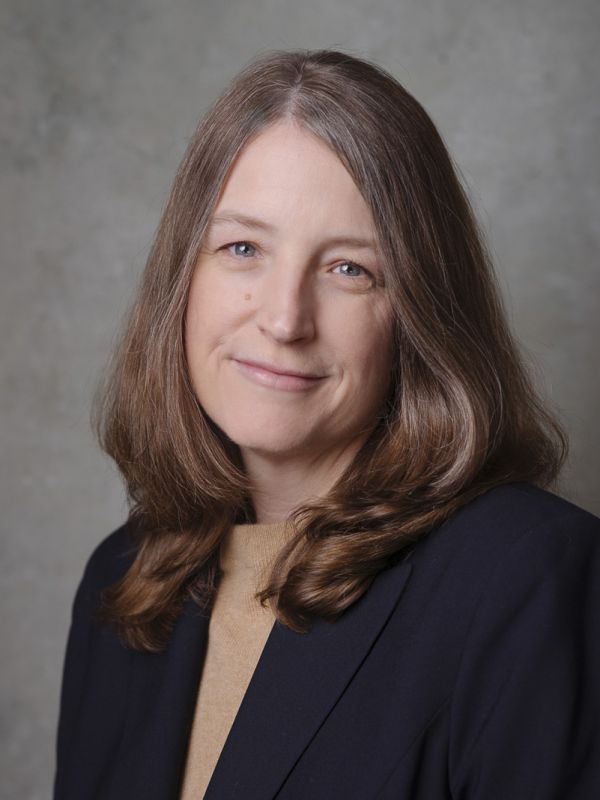
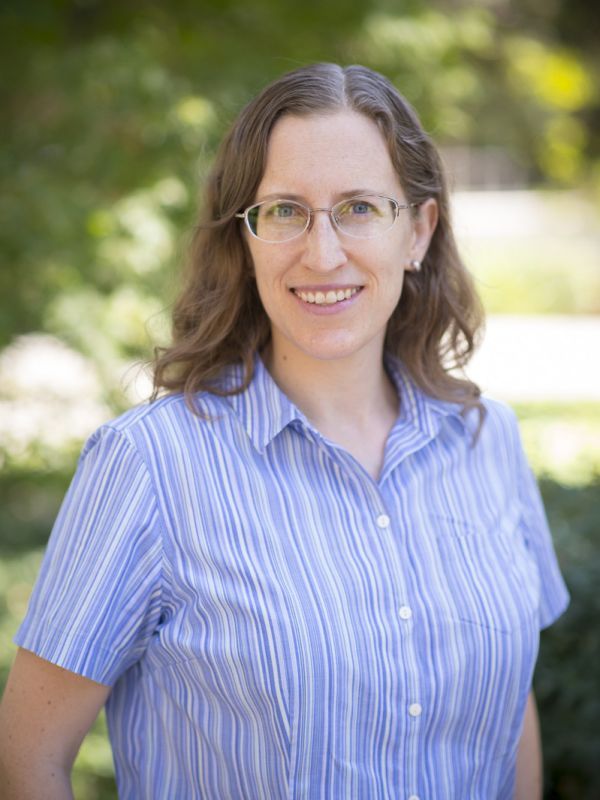
Mary Kay Camarillo serves as an Associate Professor in the School of Engineering and Computer Science at the University of the Pacific, specializing in environmental engineering with emphasis on water and wastewater treatment. A licensed Professional Engineer in Washington and California, she has contributed to Pacific's academic community since 2009 while maintaining active industry collaborations.
Education Background
- PhD in Civil and Environmental Engineering, University of California, Davis (2009)
- MS in Civil and Environmental Engineering, University of California, Davis (2004)
- BS in Civil Engineering, University of Washington (1996)
Research Expertise
Dr. Camarillo's research program addresses critical environmental challenges through three interconnected pillars: energy-water nexus (geothermal lithium extraction, oil/gas impacts), urban environmental monitoring (San Joaquin River quality, air pollution dashboards), and innovative engineering education. Her fieldwork integrates hands-on data collection with computational modeling, frequently deploying UAVs for wetland mapping and water resource assessment. Recent projects demonstrate growing emphasis on AI applications in engineering pedagogy and sustainable resource recovery from industrial byproducts.
Publication Evolution
Analysis of her 15 most recent publications reveals a strategic pivot toward interdisciplinary sustainability research. While foundational work (2017-2020) established her expertise in produced water management and hydraulic fracturing impacts, current scholarship (2023-2025) centers on Salton Sea geothermal resources and AI-enhanced engineering education. This trajectory reflects deliberate expansion from technical environmental analysis toward policy-relevant solutions and pedagogical innovation, maintaining consistent focus on California-specific environmental challenges.
Professional Engagement
Dr. Camarillo actively mentors undergraduate researchers through independent projects and capstone courses, emphasizing ethics case studies and real-world infrastructure analysis. Her externally funded work includes significant collaboration with Lawrence Berkeley National Laboratory on biomass energy systems and the McGeorge School of Law's Tchobanoglous Water Lecture Series. Notable contributions include technical support for California's well stimulation regulatory framework and development of community-focused environmental monitoring tools.
Collaborative Networks
Her research ecosystem spans national laboratories, legal institutions, and community organizations. Key partnerships include Lawrence Berkeley National Laboratory (geothermal resource characterization), McGeorge School of Law (water policy dialogue), and regional agencies addressing San Joaquin River water quality. The Tchobanoglous Water Lecture Series exemplifies her commitment to bridging engineering, policy, and community perspectives on water security.