معرفی
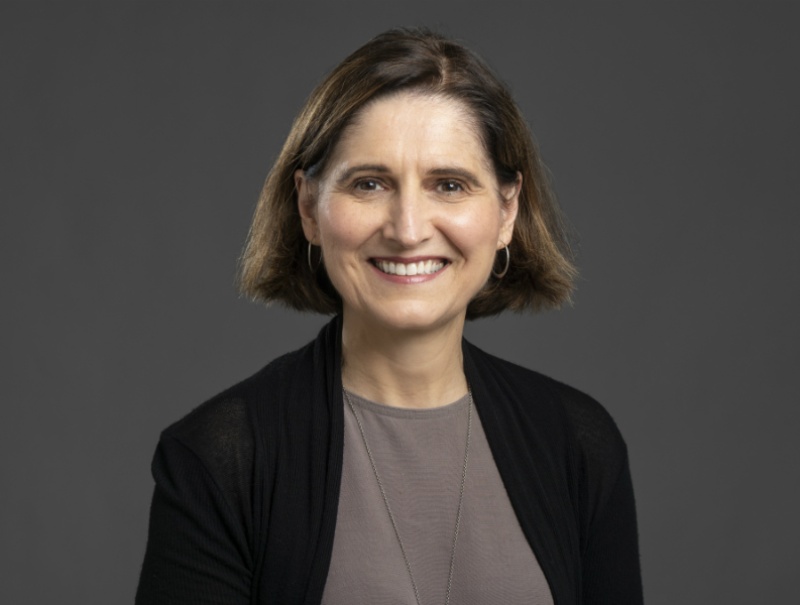
Mary K. Hayden, MD, is The James R. Lowenstine Professor of Internal Medicine and a Professor in the Department of Pathology at Rush Medical College, Rush University. She serves as the Director of the Division of Infectious Diseases and the Division of Clinical Microbiology at Rush Medical Laboratories, highlighting her dual leadership in clinical care, research, and academic medicine.
Her research is centered on infectious diseases, healthcare epidemiology, and infection control, with a strong emphasis on antimicrobial resistance, particularly carbapenem-resistant Enterobacteriaceae (CRE), MRSA, Candida auris, and Clostridioides difficile. Her work integrates genomic surveillance, environmental sampling, and diagnostic stewardship to understand and prevent healthcare-associated infections. She is a key figure in national efforts, contributing to Infectious Diseases Society of America (IDSA) guidelines on COVID-19 diagnostics.
Her recent publications reveal a consistent focus on high-impact interventions and surveillance strategies. Key themes include the use of genomic epidemiology to track transmission in ICUs and long-term care, the effectiveness of decolonization protocols (e.g., chlorhexidine bathing), and the development of public health responses for emerging pathogens like SARS-CoV-2 variants. Her work often involves multicenter collaborations and randomized trials, demonstrating a translational approach from bench to bedside and policy.
Dr. Hayden has no listed scientific awards in the provided text, but her numerous high-impact publications in journals like JAMA, The Lancet, and Nature Medicine speak to her significant contributions.
She advises and mentors through collaborative research, often working with trainees and junior faculty, though specific student names are not listed. Her research is supported by extensive grant funding implied by large-scale studies and multicenter collaborations. She leads key divisions at Rush, indicating oversight of clinical microbiology and infectious diseases teams. Her future work is likely to continue advancing the use of genomics and data-driven strategies for infection prevention in complex healthcare networks.