معرفی
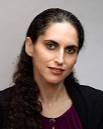
Mary Beth Oliver serves as the Donald P. Bellisario Professor of Media Studies and Co-Director of the Media Effects Research Laboratory at The Pennsylvania State University within the Donald P. Bellisario College of Communications and Department of Film Production and Media Studies. She is a Fellow and Immediate Past President of the International Communication Association, demonstrating significant leadership in her field.
Her educational background includes a Bachelor's degree from Virginia Tech and both Master's and Ph.D. degrees from the University of Wisconsin. This foundation supports her interdisciplinary approach bridging communication and psychological sciences.
Oliver specializes in media psychology with dual emphases on psychological effects of media and audience attraction to content. Her research spans media violence, reality television, gender differences in media enjoyment, responses to melodramas, and racial stereotyping in media. Recent work pioneers positive media psychology through investigations of eudaimonic entertainment, self-transcendent experiences, and inspirational content that foster well-being and prosocial behavior. Her methodology integrates quantitative analysis with experimental approaches to measure emotional and cognitive impacts.
Analysis of her recent publications reveals a decisive shift toward understanding media's positive societal impacts, particularly in addressing political polarization, environmental engagement, and public health challenges through uplifting content. Her work increasingly examines how media-induced emotions like awe and elevation can bridge social divides and motivate behavioral change across diverse cultural contexts.
Her distinguished scientific recognition includes:
- Fellow of the International Communication Association
- Deutschmann Award for Excellence in Research
As co-editor of Media Psychology and associate editor for Journal of Communication and Communication Theory, Oliver has shaped scholarly discourse while mentoring graduate students. Her grant-funded research at the Media Effects Research Laboratory examines media's role in reducing stereotypes and promoting intergroup connectedness, with current projects exploring applications in healthcare settings and political discourse. She teaches advanced courses in media effects, research methods, and interpersonal communication.
The Media Effects Research Laboratory under her co-direction operates as a collaborative hub investigating how media content influences emotional states and behavioral outcomes. Current initiatives focus on developing media interventions that inspire prosocial actions through self-transcendent experiences, with specific applications for reducing racial bias, increasing environmental stewardship, and improving public health compliance during crises like pandemics.