معرفی
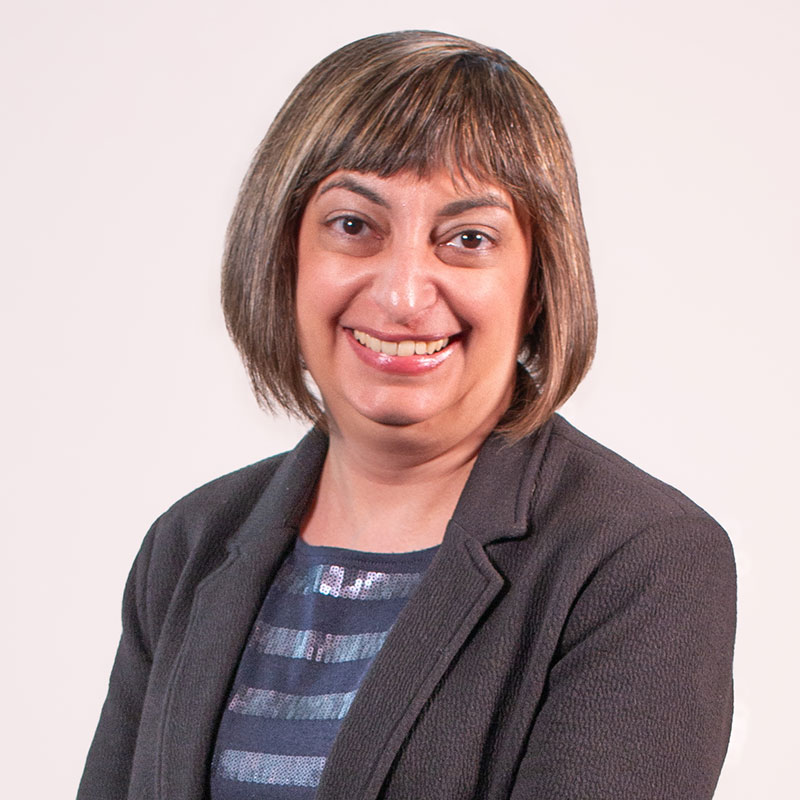
Mary Anne Andrei serves as a President's Professor and Associate Professor of Media Studies at The University of Tulsa within the Kendall College of Arts & Sciences. She is also the Executive Producer of the Switchyard Podcast and Multimedia Editor of Switchyard magazine, demonstrating her commitment to innovative media production and scholarship.
Her educational background includes:
- Ph.D. from University of Minnesota
- M.S. from University of Nebraska
- B.S. from University of Montana
Professor Andrei specializes in multimedia storytelling with a particular focus on environmental issues, food systems, and narratives of the American West. Her work bridges academic scholarship with professional media production, creating content that reaches both scholarly and public audiences through various platforms including print publications, broadcast media, and digital platforms. She has developed expertise in innovative formats such as 360° video productions that push the boundaries of environmental storytelling.
Her scholarly and creative work demonstrates consistent focus on environmental communication, with publications and productions spanning topics from conservation history to contemporary food systems. She has established herself as a leader in creating immersive media experiences that engage audiences with complex environmental issues.
Her significant recognition includes:
- James Beard Award for Food Coverage (2024)
- Three Heartland Emmy Awards (2018-2019)
- Two regional Edward R. Murrow Awards (2020, 2022)
- Three Eric Sevareid Awards (2019-2022)
Before joining academia, Professor Andrei worked as a senior producer at Nebraska Public Media, where she developed significant multimedia projects including the PBS Digital 360° video series about the Platte Basin Watershed and documentaries on American bison conservation. Her photographic work has been featured in major publications including Bloomberg Businessweek, The Guardian, Harper's, and The New York Times. As Executive Producer of the Switchyard Podcast, she continues to lead innovative media projects that connect academic research with public engagement.
Her research lab and creative team focus on developing multimedia projects that explore the intersection of environment, food systems, and regional identity, particularly in the American Midwest and West. These projects often involve student collaborators and result in both scholarly contributions and publicly accessible media content.