معرفی
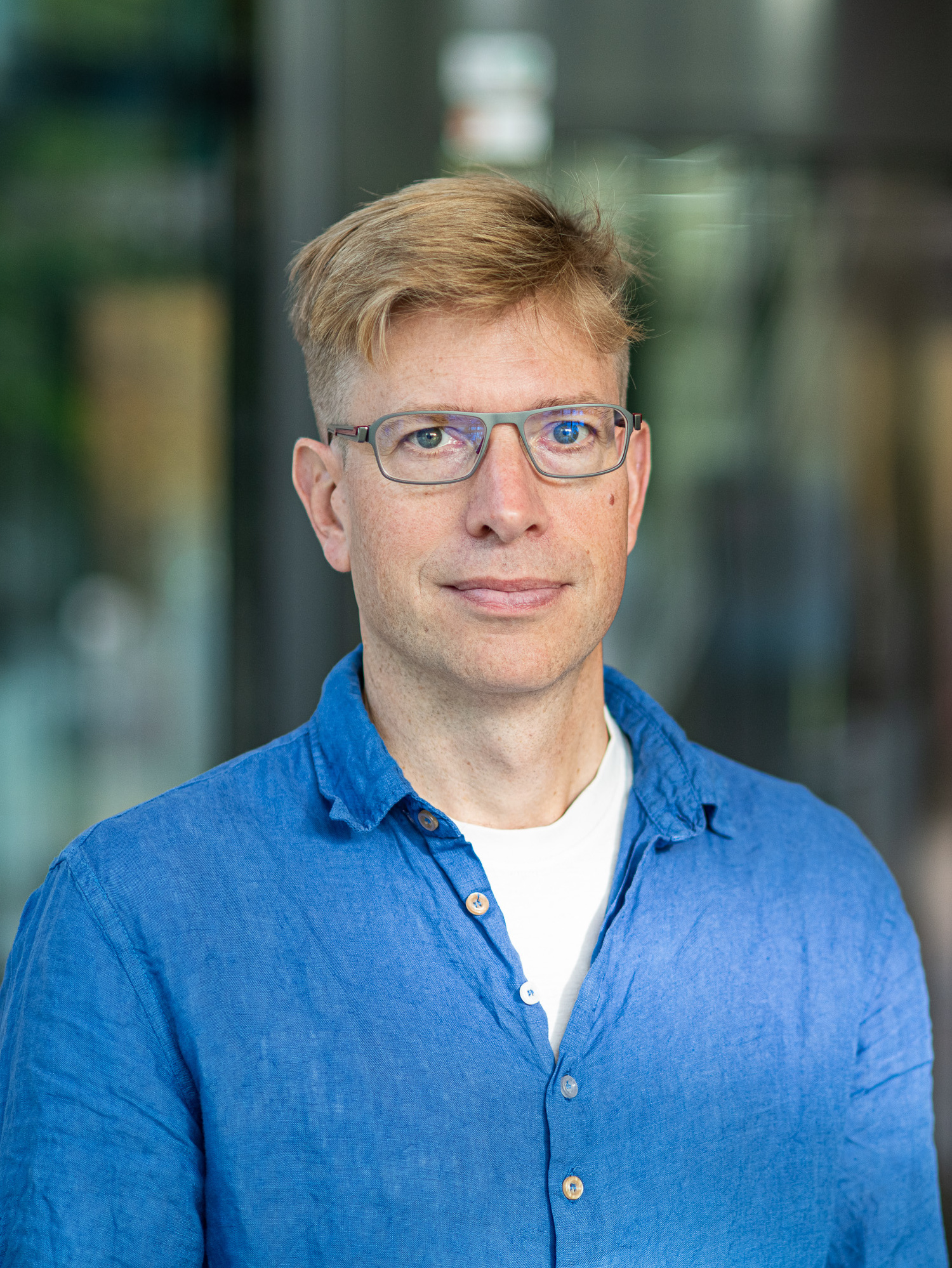
Dr. Marvin Ludwig is a researcher at the Remote Sensing and Spatial Modelling Group within the Institute of Landscape Ecology at the University of Münster. He completed his PhD in Remote sensing and machine learning for multi-scale ecosystem monitoring between 2019-2023, with doctoral work conducted at both the University of Münster and Philipps University of Marburg. His academic background includes an M.Sc. in Physical Geography from Philipps University of Marburg (2016-2018) and a B.Sc. in Environmental Sciences from the University of Koblenz-Landau (2012-2016).
Dr. Ludwig's research focuses on the integration of remote sensing technologies with machine learning approaches for environmental monitoring. His work spans multiple scales from drone-based monitoring to global ecosystem analysis. He has developed expertise in spatial prediction modeling, with particular emphasis on model transferability across different geographical regions. His research has significant applications in peatland monitoring, forest ecology, soil property mapping, and coastal ecosystem carbon assessment.
Analysis of Dr. Ludwig's publication record reveals a strong trajectory in spatial environmental modeling, with increasing focus on methodological innovations in spatial prediction, model validation techniques, and the application of machine learning to complex environmental problems. His work demonstrates growing leadership in developing tools like the CAST package for spatial modeling in R, and addressing fundamental challenges in spatial data science such as model transferability and uncertainty quantification.
Dr. Ludwig has contributed to significant collaborative projects including the assessment of global soil carbon in tidal marshes published in Nature Communications. His work shows increasing interdisciplinary reach, connecting remote sensing expertise with ecological theory and practical environmental management applications.
As an educator, Dr. Ludwig teaches courses on remote sensing methods in landscape ecology, spatial data analysis with R, and human-environment relationships. He is actively involved in developing course materials for ecological data analysis, with a focus on practical R programming skills for environmental scientists.