معرفی
Martina Huber is an Associate Professor at Leiden University's Faculty of Science, affiliated with the Leiden Institute of Physics (LION) within the Biological, Soft and Complex Systems research group. Her work focuses on developing advanced Electron Paramagnetic Resonance (EPR) techniques to study complex biophysical systems, particularly intrinsically disordered proteins (IDPs) linked to neurodegenerative diseases like Alzheimer's. The Huber Lab investigates membrane interactions, non-covalent protein associations, and dynamic nuclear polarization agents.
- Role: Associate Professor
- Institution: Leiden University
- Research Group: Leiden Institute of Physics (LION)
- Department: Biological, Soft and Complex Systems
Her research connects biophysics with neuroscience, using EPR spectroscopy to unravel the structural dynamics of proteins involved in brain diseases. Key projects involve amyloid β peptide aggregation, iron-related pathologies, and mechanosensitive ion channel regulation. The lab offers Master's and Bachelor's projects on topics such as IDP flexibility analysis and amyloid oligomer modeling.
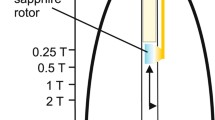
Recent projects highlight collaborations with institutions like VU Amsterdam and emphasize applications of high-field EPR (275 GHz) for studying protein interactions. The lab has secured competitive funding, including the NWA grant for iron nanoparticle research, demonstrating its impact in biophysical and neurodegenerative disease studies.
- Scientific Awards:
- NWA grant for iron nanoparticles in brain research (2019)
The Huber Lab actively recruits PhD candidates with EPR expertise and supervises students across Physics, Chemistry, and Life Science & Technology disciplines. Research outcomes are published in high-impact journals like The Journal of Physical Chemistry B and Frontiers in Physiology, often addressing protein-lipid interactions, aggregation mechanisms, and structural validation using computational models.