معرفی
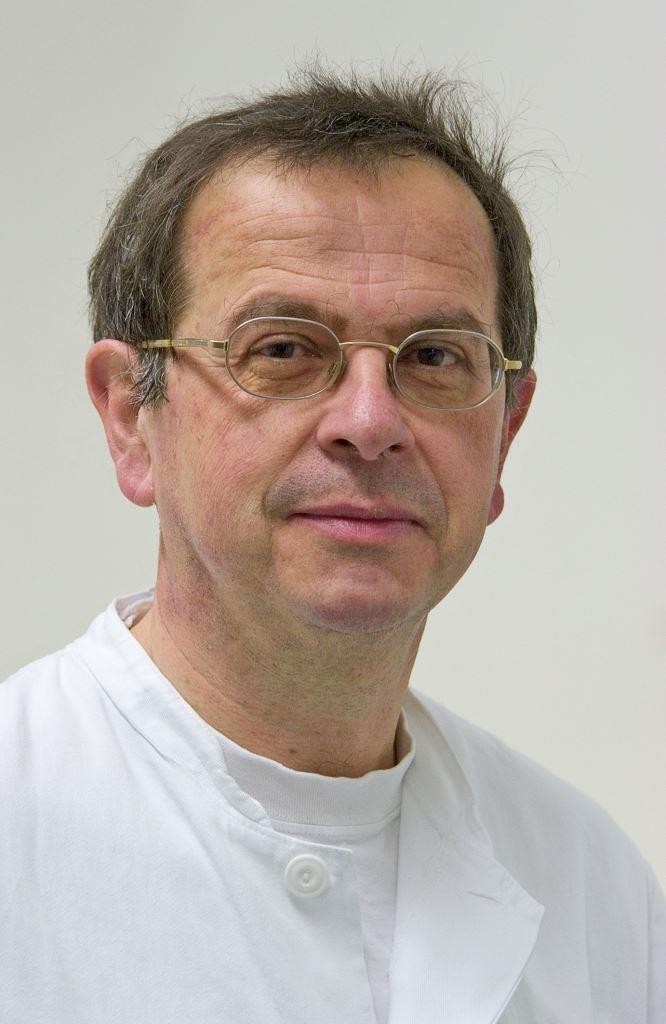
Prof. Markus Hoth is a University Professor in the Department of Biophysics at Saarland University's Faculty of Medicine. He leads a research group focused on tumor immunology, particularly analyzing and optimizing the cytotoxicity of T killer cells, natural killer cells, and unconventional killer cells against cancer cells (lymphoma, leukemia).
- Department of Biophysics, Saarland University
- Collaborates with Department of Internal Medicine I (Oncology)
- Research funded by SFB 894, SFB 1027, GRK 1830, and SPP 1710
Prof. Hoth's research focuses on understanding the mechanisms of immune cell cytotoxicity against cancer cells. His group investigates which parameters are relevant for the cytotoxic efficiency of human killer cells, optimization of lymphoma therapy using antibodies and modified killer cells (CAR-T), analysis of aging processes of the immune system, mechanical properties in the immune-tumor microenvironment, and the role of calcium channels in immune and cancer cells. They conduct most experiments with primary human cells and some with murine cells, particularly on aging topics.
Analysis of Prof. Hoth's recent publications (2023-2025) reveals a strong focus on calcium signaling in immune cells, NK and T cell cytotoxicity mechanisms, immune cell aging, and the development of novel methodologies for studying immune-tumor interactions. His work spans from fundamental calcium channel research to translational studies on cancer immunotherapy, with particular emphasis on how mechanical properties and calcium signaling regulate immune cell function in 3D environments.
Prof. Hoth's research is supported by multiple collaborative research centers including SFB 894 on Ca2+ Signals, SFB 1027 on Physical Modeling of Non-Equilibrium Processes, GRK 1830 on membrane proteins in disease pathogenesis, and SPP 1710 on redox switches in cell physiology.
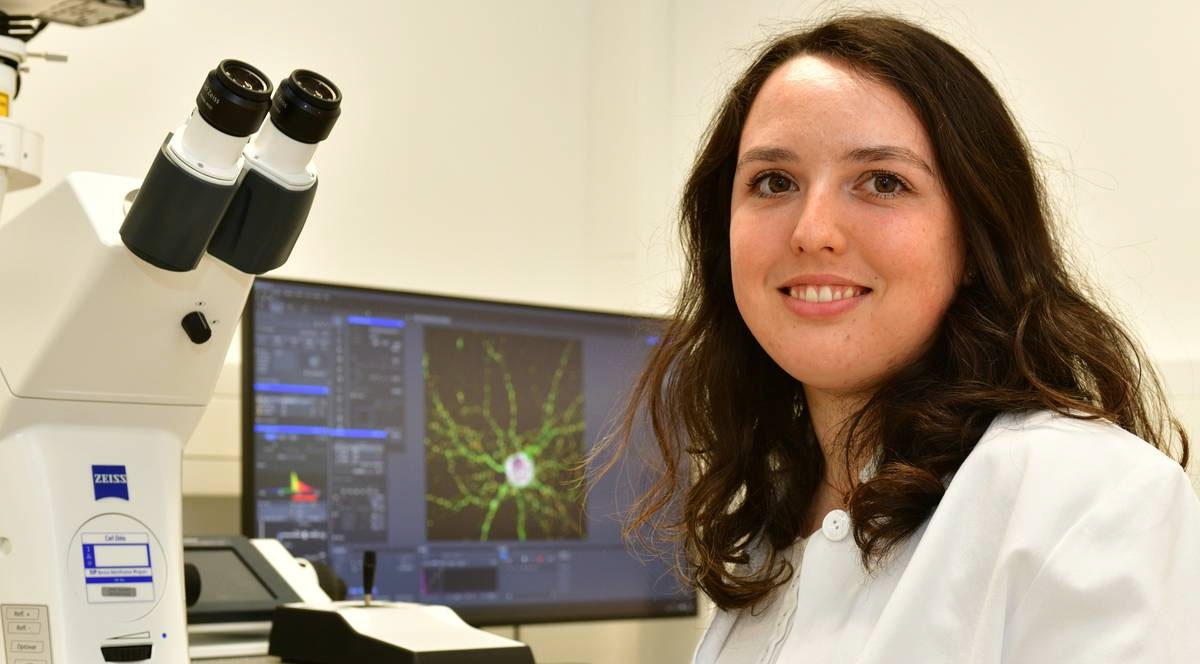
His laboratory includes numerous doctoral students and postdoctoral researchers working on various aspects of immune cell biology and cancer immunology. The group has developed specialized techniques for studying immune-tumor interactions at the single-cell level and in three-dimensional matrices, contributing significantly to our understanding of how immune cells recognize and eliminate cancer cells.