معرفی
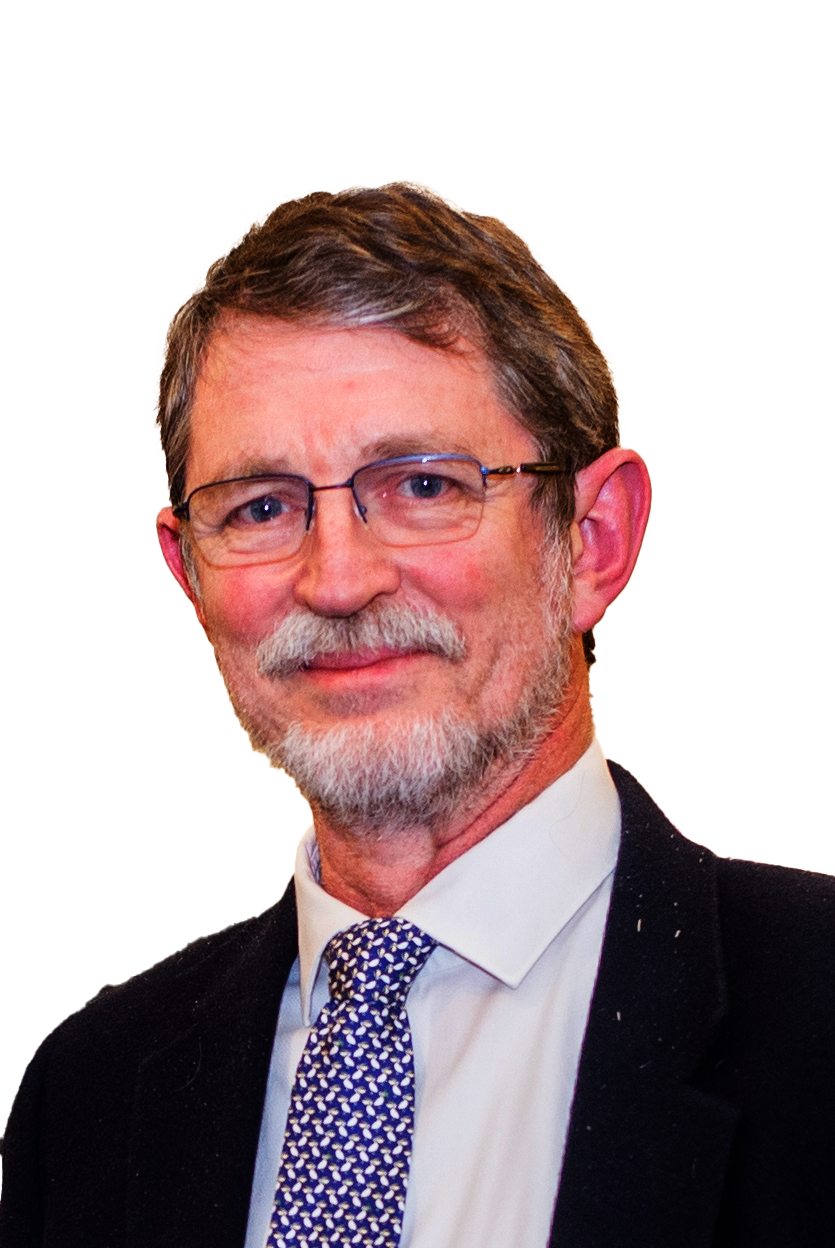
Professor Mark Sandy is a Professor in the Department of English Studies at Durham University, where he has served since 1998. Rising from Fixed-Term Lecturer to Professor, he has held key roles including Deputy Head of Department, Director of Postgraduate Studies (2013-2017), and founding co-director of the Romantic Dialogues Research Group. He also serves on the Advisory Board of Durham's Centre for Death and Life Studies.
His research centers on Romantic poetry and poetics, with deep expertise in Keats, Shelley, and Byron. He examines memory, mourning, spectral presences, and Romanticism's cultural legacies extending into the Victorian era and modern literature. His work bridges literary criticism, philosophy, and transatlantic studies, with additional focus on American literature including post-war Jewish American writing.
Recent publications (2024-2015) reveal sustained engagement with Romanticism's afterlives through spectral elements, poetic form, and intertextual connections across centuries. His scholarship consistently explores memory, loss, environmental themes, and the persistence of beauty, demonstrating interdisciplinary reach from literary theory to cultural studies.
Scientific Awards:
- Visiting Scholars Fellowship at Armstrong Browning Library, Baylor University (2017)
- Research Fellow at Armstrong Browning Library, Baylor University (2022)
Professor Sandy has supervised doctoral theses on all major Romantic poets including Wordsworth, Coleridge, Byron, Keats, Shelley, and Burns. Current supervisees include Toby Lucas and Etheria Huo. He has served on grant review panels for the AHRC (2008-2011) and Irish Research Council Laureate Awards (2021-2022), and as external examiner for nine universities globally.
He co-founded the Romantic Dialogues Research Group and participates in an international network on Romanticism and synchronicity. His leadership in the Centre for Death and Life Studies reflects his research on mortality, while his four-volume project on Death, Loss, Memory, and Mourning (Routledge, 2025) demonstrates ongoing scholarly momentum.