معرفی
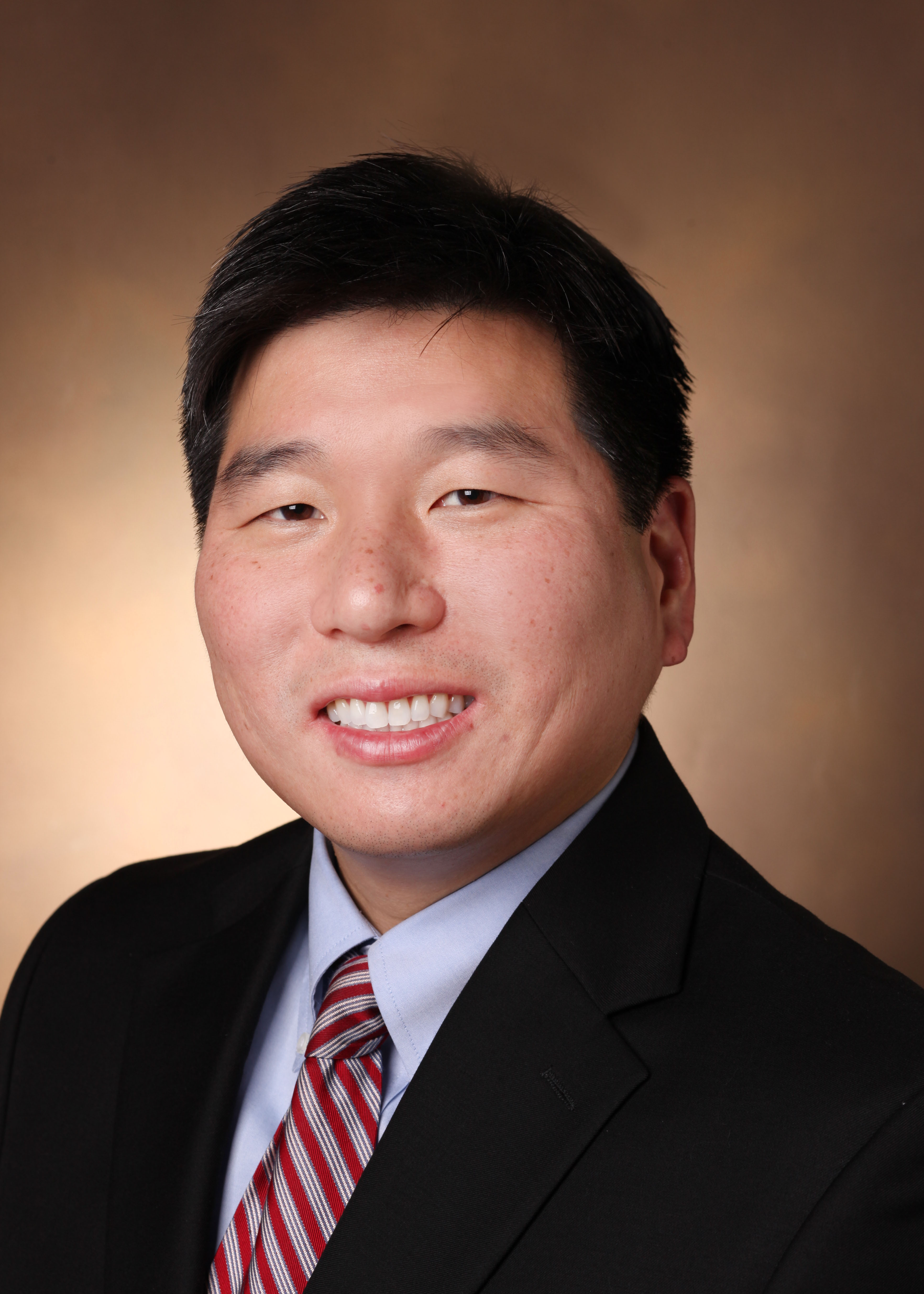
Mark Kleinman, MD is a Professor in the Department of Surgery at East Tennessee State University's James H. Quillen College of Medicine, where he serves as Principal Investigator of the Ocular Biology and Imaging Lab. He relocated his laboratory to ETSU in 2018 after previously working at the University of Kentucky.
- Current Position: Professor, Department of Surgery, James H. Quillen College of Medicine
- Research Leadership: Principal Investigator, Ocular Biology and Imaging Lab
- Location: Bldg 119 Rm 1-04, Johnson City, TN 37614
- Contact: Phone (423) 439-5969 | Fax (423) 439-6251 | Email: kleinman@etsu.edu
Dr. Kleinman's research focuses on diseases of the retina and vitreous, with specific emphasis on neovascular and degenerative eye diseases. His laboratory investigates aging, inflammation, and molecular imaging of early pathological changes to the retina and choroid. The research program defines the molecular interface of angiogenesis and cell death mediators within immune-related inflammation in retinal diseases using next-generation molecular techniques in transcriptomic profiling and functional proteomics. The translational goals include developing diagnostic bio-imaging tools and designing new therapeutic approaches for vision-threatening eye diseases.
Analysis of recent publications reveals a strong focus on age-related retinal changes, particularly examining histone modifications, epigenetic regulation, and molecular imaging techniques. The research spans from basic mechanisms of retinal aging to therapeutic applications for conditions like age-related macular degeneration and juvenile neuronal ceroid lipofuscinosis.
- National Eye Institute (R01EY028206)
- BrightFocus Macular Degeneration Research Award
- Former K08 Mentored Clinical Scientist Development Award from NEI
- Career Development Awards from Foundation Fighting Blindness, Research to Prevent Blindness, and American Federation for Aging Research
- IRRF Charles D. Kelman Award
Dr. Kleinman actively mentors postdoctoral researchers and maintains a dynamic research team with expertise spanning molecular biology, imaging, and translational research. His laboratory offers comprehensive training in advanced techniques including multi-modal small animal imaging, proteomics, sequencing, and bioinformatics, preparing scholars for independent research careers. The lab culture emphasizes innovation, technical excellence, and translational impact, with strong collaborations across disciplines to address complex retinal diseases.