معرفی
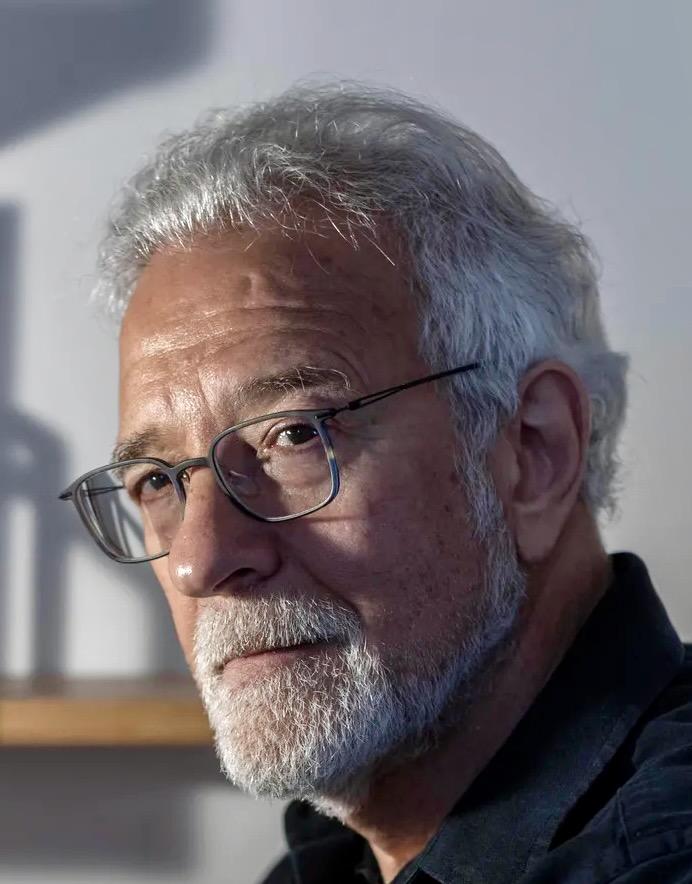
Mark Hobbs is a Lecturer in the Humanities at the Interdisciplinary Institute for the Humanities, University of East Anglia (UEA). He has previously served as an Associate Tutor in the School of History at UEA and as a part-time Lecturer in History at the University of Winchester. His academic work bridges interdisciplinary humanities, history, and political studies, with a strong focus on public engagement and education.
- PhD, University of Winchester (2014)
- MA, Modern History, University of East Anglia
- BA, History, University of East Anglia
Mark Hobbs' research centers on Holocaust and genocide denial, far-right politics, and memory studies. He explores how collective memories of genocide are constructed, particularly focusing on the memorialization and representation of the Holocaust and Nazism in popular culture. His work critically examines the ideological mechanisms behind historical revisionism and denial, especially within British far-right movements.
His recent publications reveal a consistent focus on the evolution of Holocaust denial in the UK, tracing its ideological roots and cultural representations from the mid-20th century onward. The articles highlight interdisciplinary themes in history, political extremism, and memory, often analyzing how denial functions as a tool of ideological propaganda. His work appears in major academic collections published by Routledge, indicating strong scholarly recognition.
Mark Hobbs actively contributes to academic and public discourse through conference presentations, school outreach programs, and invited talks. He has participated in events such as the Memory Studies Association Annual Conference and the UEA Sixth Form Conference, demonstrating commitment to both scholarly and educational engagement.
He currently serves as a Senior Advisor in the Interdisciplinary Institute for the Humanities, where he supervises PhD students and contributes to academic mentoring. While no specific grants are mentioned, his extensive publication and activity record suggest sustained research support and institutional involvement.
Mark is involved in public-facing scholarly work, including peer review and participation in the Historical Association: Essex Branch. His research has been referenced in 13 Wikipedia pages and discussed in blogs and news outlets, reflecting impact beyond academia.