معرفی
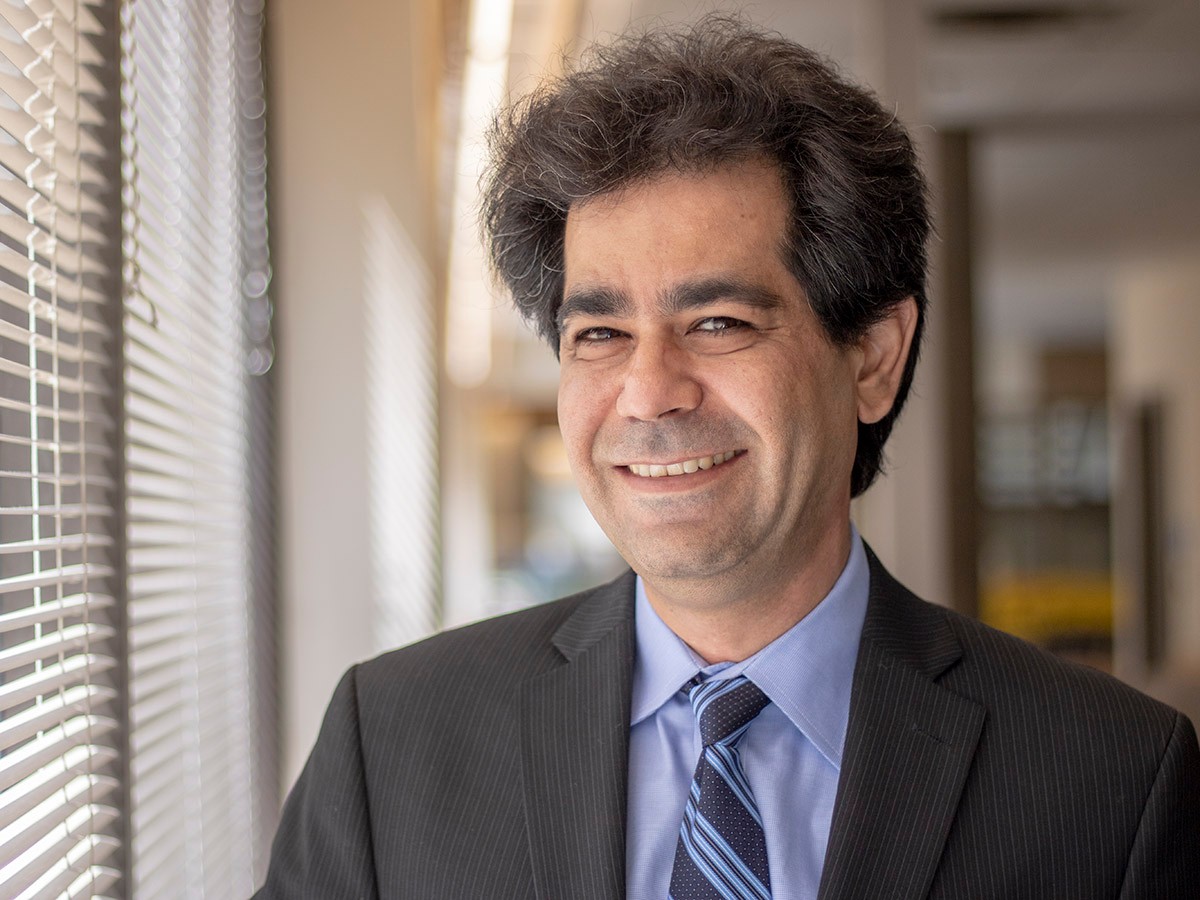
Mark Colton is a Teaching Professor in the Department of Mechanical Engineering at Brigham Young University (BYU), within the College of Engineering. He has been a faculty member at BYU since 2005, initially as a Visiting Instructor, then as Assistant Professor (2006–2012), and Associate Professor (2012–present), with a current focus on teaching.
Education:
- PhD, University of Utah, 2006
- MS, University of Utah, 2001
- BS, University of Utah, 1997
His research interests lie at the intersection of robotics, haptics, and dynamic systems, with a strong emphasis on human-robot interaction. He has made significant contributions in assistive robotics for autism therapy, where robots are used to enhance social engagement in children with Autism Spectrum Disorder (ASD). His work also spans haptic interfaces, enabling realistic tactile feedback in virtual environments, and micro air vehicle (MAV) control, particularly in aerial recovery and formation flight. Additional areas include compliant mechanisms, mechatronic system design, and control theory.
His recent publications reflect a consistent focus on integrating sensory feedback (haptics, audio) into UAV control, optimizing flapping-wing mechanisms, and developing statically balanced compliant systems. The research combines experimental validation with modeling, often in collaboration with experts in perception, biomechanics, and clinical therapy.
Scientific Awards and Professional Activities:
- Member, ASME (American Society of Mechanical Engineers)
- Member, IEEE (Institute of Electrical and Electronics Engineers)
- Member, ASEE (American Society for Engineering Education)
Dr. Colton advises students through graduate research and senior design projects, such as ME EN 475/476 (Integrated Product and Process Engineering). He teaches core courses in dynamic systems, control, mechatronics, and scientific computing. His work bridges theoretical modeling and practical implementation, often involving hardware-in-the-loop testing and real-world applications in healthcare and aerospace. While no formal lab name is mentioned, his research is conducted within the broader Mechanical Engineering research ecosystem at BYU, likely involving student teams and interdisciplinary collaborations.